A prospective resident may forget the square footage of an apartment, but they will remember whether it felt bright, comfortable, and easy to imagine as home. That first emotional response is where senior living interior design services become a business advantage. The right environment supports resident well-being while helping communities create stronger tours, greater family confidence, faster move-ins, and spaces people are proud to share.
For operators, developers, and property managers, design is not simply a finishing touch after construction or renovation. It is part of the resident experience, the leasing strategy, and the long-term value of the property. From independent living apartments to memory care lounges and shared dining rooms, every space should look elevated, work hard, and welcome people in.
Why Senior Living Design Has a Bigger Job to Do
Senior living communities serve several audiences at once. Residents need comfort, autonomy, safety, and familiar visual cues. Families want reassurance that their loved one will be cared for in a clean, thoughtful, well-managed setting. Prospective employees and referral partners notice whether the community feels current, organized, and genuinely hospitable.
That creates a different design brief than a typical apartment building or hotel. A beautiful room is only successful if it also supports daily routines, mobility needs, durability, clear circulation, and the varied preferences of the people who use it.
A lobby with low, overly soft seating may look inviting in photographs but be difficult for residents to rise from. A dramatic patterned carpet can add personality, yet too much visual contrast may be disorienting for some residents. Senior living design requires those decisions to be made with care, not avoided altogether. The goal is never a clinical environment. It is a polished, residential setting where thoughtful function is built into the visual experience.
Senior Living Interior Design Services That Support Occupancy
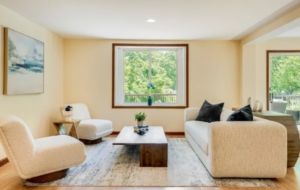
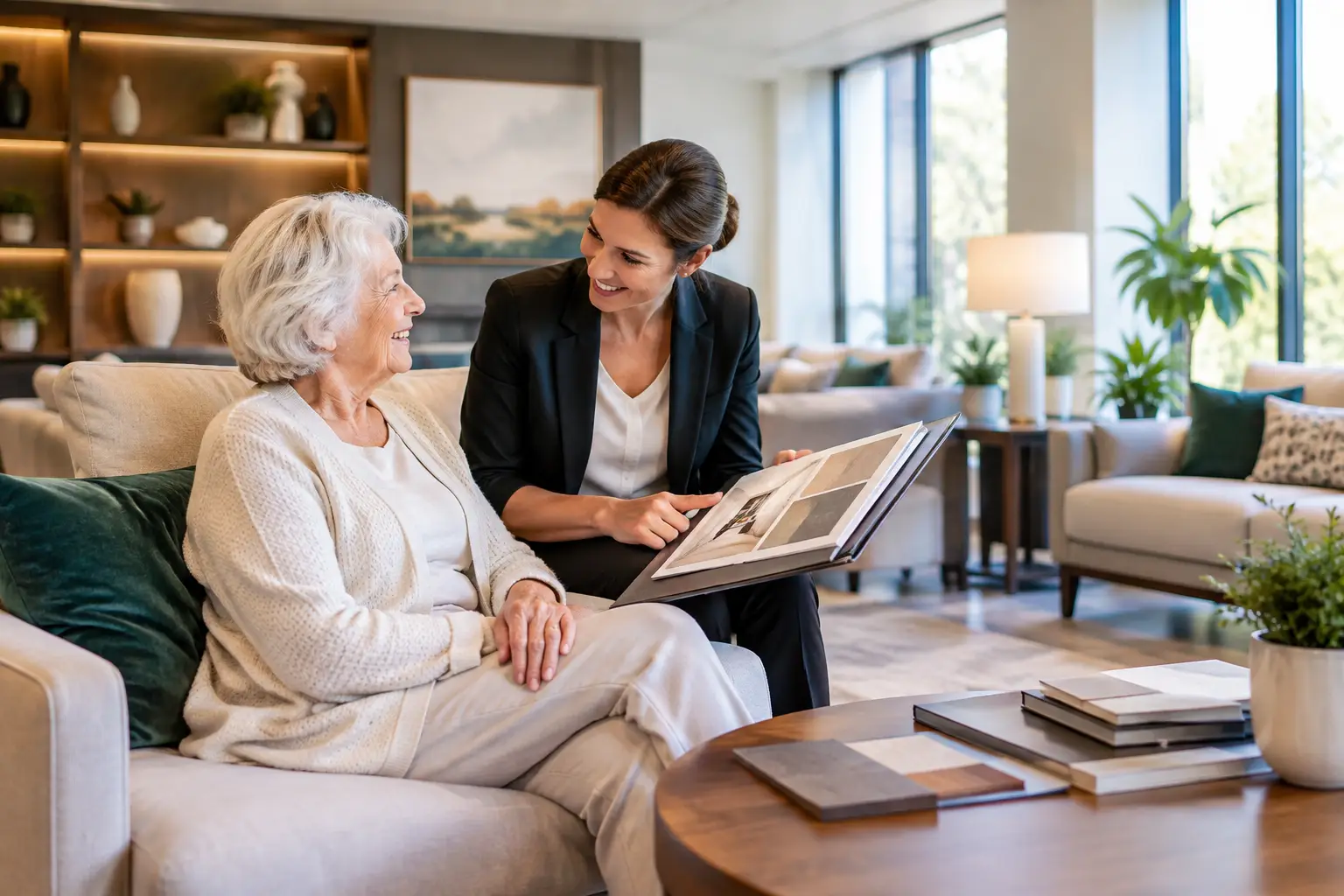
When a community is competing for residents, common spaces often carry the first impression. A dated entry, sparse lounge, or empty model apartment can make even a well-run property feel less desirable. Conversely, furnished spaces help prospective residents and their families picture daily life: coffee with neighbors, a quiet afternoon with a book, a holiday gathering, or a visit from grandchildren.
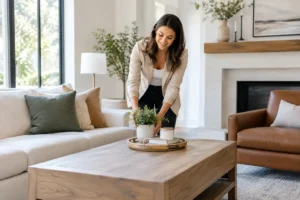
Effective senior living interior design services bring those moments to life through a coordinated plan for furniture, lighting, art, accessories, window treatments, and room layout. The result should feel intentional rather than decorated. A well-designed community presents a lifestyle, not just a list of amenities.
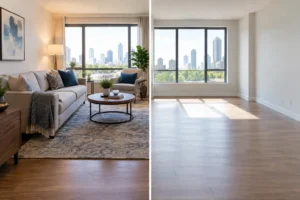
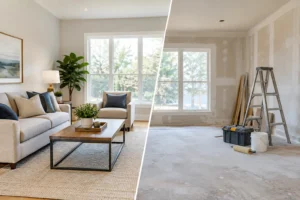
For new developments, furnishing early can strengthen pre-leasing efforts before every unit is occupied. A designer-led model apartment gives tours a clear point of connection and provides marketing photography with the warmth and depth buyers and renters expect. For established communities, a focused refresh can update the property image without requiring a full-scale renovation.
The strongest approach depends on the property’s market position, resident profile, budget, and competitive set. A luxury active-adult community may benefit from a boutique-hotel feel with layered textures and flexible entertaining areas. An assisted living community may need to place more emphasis on supportive seating, intuitive layouts, and restful color palettes. Both should feel refined, personal, and far removed from institutional.
Design for Comfort Without Designing Around Limitations
Residents should not feel as if every decision in their home was made around a limitation. Good design quietly accommodates needs while preserving style and dignity.
That starts with scale. Chairs should be attractive but supportive, with arms and seat heights that make sitting and standing easier. Tables need enough clearance for walkers and wheelchairs without making a room feel vacant. Area rugs should be selected and secured carefully, with low profiles and clear edges that support safe movement. Lighting should reduce harsh shadows and make task areas easier to use, while still creating warmth in dining rooms, lounges, and private residences.
Color and contrast matter as well. A balanced palette can help define transitions between floors, walls, furniture, and doorways. However, excessive contrast, overly busy patterns, and reflective surfaces can create visual noise. The answer is not to make every room beige. It is to create calm, legible spaces with personality, depth, and a clear sense of place.
Materials also need to earn their place. High-performance upholstery, cleanable finishes, commercial-grade furniture, and durable flooring can protect the investment in a heavily used environment. There is a trade-off: the most indestructible option is not always the most inviting. The right sourcing strategy finds pieces that are hardworking and comfortable enough to feel residential.
Make Shared Spaces Feel Like Destinations
Common areas can either become the heart of a community or remain underused square footage. The difference often comes down to how clearly each space communicates its purpose.
A large lounge furnished only with seating around the perimeter can feel formal and empty. Divide that same room into smaller conversation groupings, a reading corner, a game table, and a hospitality moment, and it becomes easier for residents to use naturally. Furniture arrangement shapes behavior. It can encourage connection while still offering choice and privacy.
Dining spaces deserve the same attention. They should support a pleasant meal, not simply move people through a schedule. Comfortable dining chairs, layered lighting, artwork, and well-planned table spacing create a more gracious experience for residents and visitors alike. In communities that offer flexible dining or casual gathering areas, the design should make those options immediately recognizable and appealing.
Activity rooms, libraries, fitness spaces, salons, and outdoor-adjacent lounges also benefit from a hospitality mindset. These are key touchpoints during tours, but their value extends well beyond leasing. When residents enjoy spending time in shared spaces, the community feels more active, connected, and alive.
Furnishing Private Apartments for a Faster, Easier Move-In
Moving into senior living can involve a major life transition. A partially furnished or fully turnkey apartment can reduce decisions, shorten setup time, and help residents settle in with less stress.
This is especially useful for families managing a move from another state, coordinating an estate transition, or preparing a residence on a tight timeline. Instead of sourcing furniture across multiple stores and waiting through separate delivery windows, a coordinated furnishing package can provide a complete, move-in-ready result.
The most successful packages do not look generic. They use adaptable foundations – comfortable seating, well-scaled bedroom furniture, thoughtful storage, lighting, and art – then add personality through color, textiles, and accessories. Some residents may want a clean, modern look. Others may prefer a warmer, more traditional setting. A flexible design team can create a finished home that reflects the resident while meeting the practical requirements of the building.
Set the Stage® approaches furnishing as an end-to-end service, handling design direction, sourcing, delivery, installation, and final styling so the apartment feels complete from day one. For communities, that can mean fewer logistical headaches and a stronger resident experience at a critical moment.
Plan the Project Around Operations, Not Just Aesthetic Goals
A beautiful installation that disrupts residents, staff, or daily operations is not a successful project. Senior living environments require careful planning around access, timing, safety protocols, deliveries, and phased work.
Before selecting furnishings, clarify what must remain open, which spaces can be addressed in stages, and where products can be received and stored. A dining room may need to be refreshed between meal services. A model apartment may need to be completed before a specific marketing launch. An occupied community may require a phased installation that keeps disruption low and communication clear.
Budget planning should also look beyond the initial purchase. Consider durability, replacement lead times, cleaning requirements, and how easily a piece can be moved or reconfigured. Custom options can create a distinctive look, but they often require longer lead times. In-stock furnishings can accelerate a project, though the design must be curated thoughtfully to avoid a one-size-fits-all result.
The best partners balance vision with execution. They understand that property performance depends on details being handled well: accurate measurements, reliable logistics, professional installation, and a final styling pass that makes the space feel ready for residents, families, and photography.
Design That Helps People Feel at Home
The most effective senior living environments do not announce every functional feature. They feel gracious, comfortable, and lived in from the moment someone walks through the door. They invite a prospective resident to pause, sit down, and picture a new chapter with confidence.
When each space is designed with both people and performance in mind, a community gains more than attractive furniture. It gains a stronger first impression, a more meaningful resident experience, and an environment that makes people want to stay awhile.