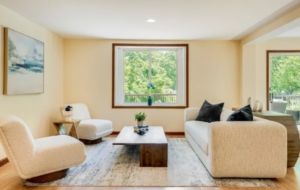
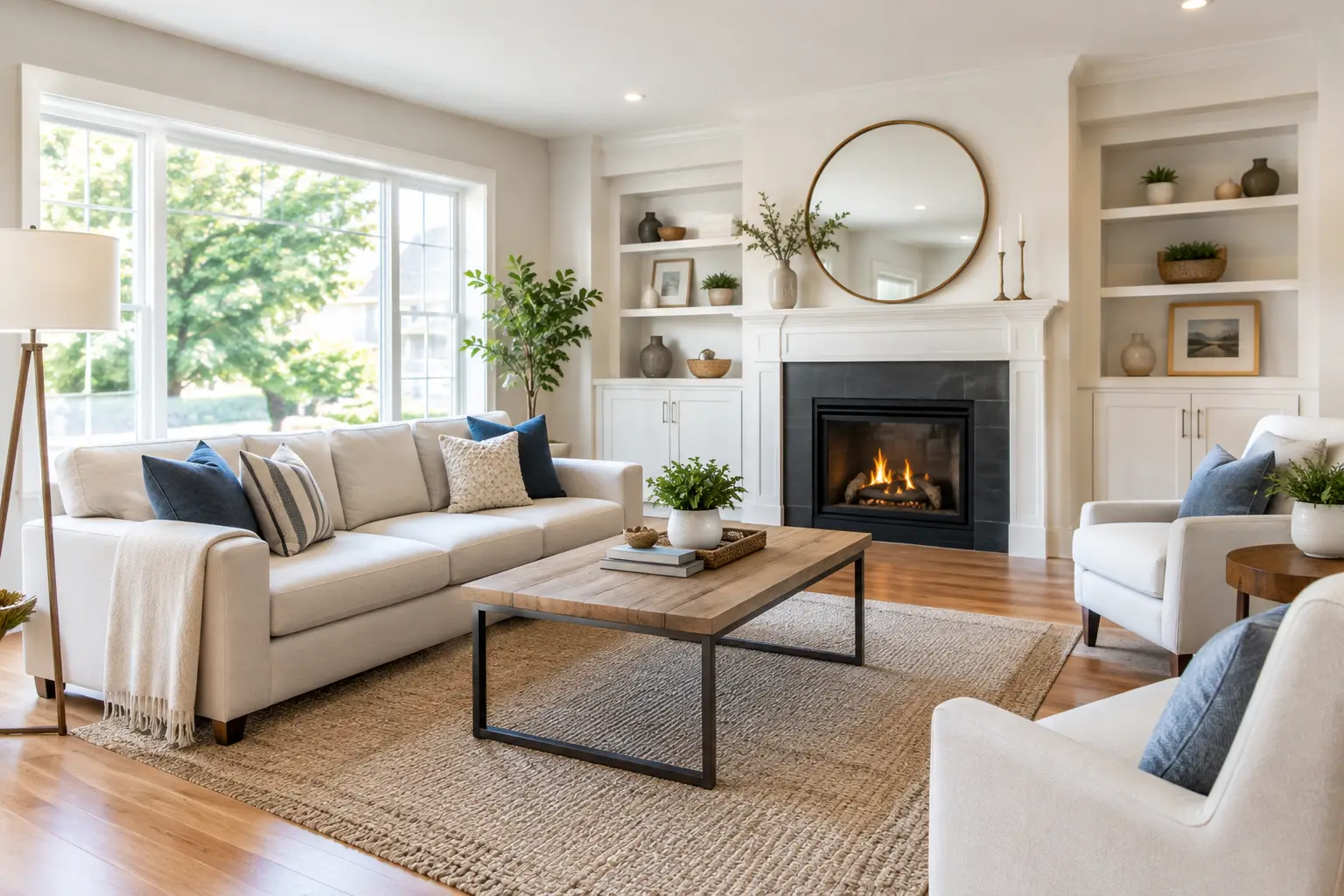
A buyer may spend only seconds deciding whether a listing deserves a closer look. Staging a house for real estate photos helps those first seconds work harder, turning ordinary rooms into polished, buyer-ready spaces that feel inviting on a screen and compelling in person. It is not about disguising a property. It is about making its best features instantly visible.
For agents, sellers, builders, and investors, photography is the first showing. The listing images set expectations for every click, inquiry, open-house visit, and offer that follows. When a home photographs with warmth, purpose, and scale, buyers can picture the life they want there. That emotional connection can translate into stronger traffic and better negotiating power.
Why Great Listing Photos Need More Than a Clean House
A clean home is essential, but cleanliness alone does not create a compelling image. Empty counters, bare windows, and oversized furniture can make even a beautiful property feel cold, cramped, or unfinished in photos. Cameras also flatten depth and amplify visual distractions. What feels acceptable while standing in a room may read as dark, busy, or awkwardly proportioned online.
Strategic staging gives the camera a story to tell. A well-placed sofa defines a living room. A dining table creates a reason to gather. Crisp bedding turns a spare bedroom into a restful retreat rather than a room with four walls. These details help buyers understand not only what each room is, but what it could feel like to live there.
The goal is not to fill every corner. It is to create a clear visual path through the home, emphasizing light, flow, and the features that support value. In competitive markets across Union, Essex, and Morris Counties, that distinction matters. Buyers are often comparing several homes from their phones before they ever schedule a tour.
Begin With the Buyer and the Listing Strategy
The right staging plan depends on the property, its price point, and the likely buyer. A restored colonial, a downtown condo, a new-construction townhome, and an investment property should not be styled the same way. Each needs a presentation that aligns with the lifestyle buyers expect at that address.
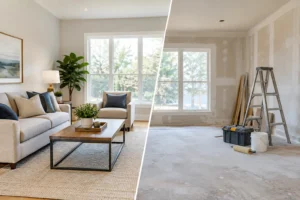
For a family-oriented home, staging may spotlight a comfortable living space, a welcoming dining area, and a flexible bedroom that suggests room to grow. For a condo aimed at professionals, a refined home office and an elevated lounge area may carry more weight. In a builder model or newly renovated flip, furnishings can establish scale and soften the newness, helping buyers see the property as move-in-ready rather than simply finished.
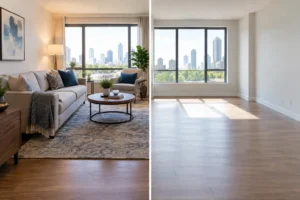
Occupied and vacant properties require different approaches. In an occupied home, editing is usually the biggest opportunity. Personal photos, excess furniture, dense collections, and everyday clutter compete with the architecture. In a vacant property, the challenge is creating warmth and dimension without obscuring the floor plan. Both can photograph beautifully, but both benefit from a plan built around the listing’s ideal buyer.
Staging a House for Real Estate Photos, Room by Room
Start with the rooms that influence the buyer’s decision most: the entry, living room, kitchen, dining area, primary bedroom, and outdoor space. These spaces often lead the photo gallery and establish the home’s overall standard.
Make the entry feel intentional
The entry should suggest an easy arrival. A clean console, a simple mirror or artwork, and a restrained accessory can establish a polished first impression without creating visual clutter. If the entry is small, avoid using furniture that narrows the passage. The camera needs to capture openness as much as style.
Give the living room a focal point
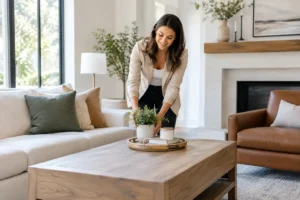
A living room should photograph as a place to relax and connect. Arrange seating to define conversation, orient the layout toward a fireplace or window when possible, and use a properly scaled rug to ground the room. Pillows, artwork, and greenery bring in color and texture, but the design should remain edited. Buyers need to notice the room first, then the finishing touches.
Let the kitchen look spacious and ready
Kitchens sell hard, especially in online listing photos. Clear the counters almost completely, leaving only a few intentional items such as a wood board, fresh fruit, or a tasteful small plant. Remove refrigerator magnets, dish racks, cleaning products, and bulky appliances. Open, clean counter space communicates utility and makes cabinetry, finishes, and natural light easier to appreciate.
Use bedrooms to create an emotional pause
The primary bedroom should feel like a personalized sanctuary, not a storage room or a catchall for laundry. Layered bedding, balanced nightstands, and soft lighting help create a calm, elevated image. Secondary bedrooms should have a purpose, too. A spare room can be a guest room, an office, or a nursery, but avoid trying to communicate all three at once.
Do not overlook outdoor areas
Patios, decks, porches, and yards can be powerful differentiators. Even a compact balcony feels more valuable when it is styled as usable living space. A pair of chairs, a small table, fresh cushions, or a simple dining setting can help buyers imagine morning coffee, weekend entertaining, or a quiet evening outside.
Prepare for the Camera, Not Just the Showing
Before the photographer arrives, walk through the home from the perspective of a lens. Look for cords, wastebaskets, pet items, tissue boxes, mismatched hangers, worn bath mats, and anything else that may pull attention from the room. Turn on interior lights where needed, replace burned-out bulbs, and confirm that bulbs share a consistent color temperature. Mixed lighting can make a polished space look uneven in photos.
Window treatments deserve special attention. Open blinds and curtains when they reveal a pleasant view or bring in flattering daylight. If the view is weak, sheer panels or carefully adjusted blinds may give the image a softer, more finished look. The best choice depends on the room’s orientation, privacy, and exposure.
A few restrained styling moments can add life: a made bed with layered pillows, folded towels in the bathroom, a set dining table, or a reading chair with a throw. These details should support the space rather than steal the frame. Buyers should feel that the home is ready for them to step into, not that they are looking at a showroom they cannot touch.
Avoid the Photo Mistakes That Cost Attention
Overstaging is just as costly as understaging. Too many accessories, excessive pillows, busy patterns, or furniture squeezed into a room can make square footage feel smaller. The same goes for overly personal design choices. A bold color or distinctive collection may be beautiful, but the listing photos need broad appeal.
Another common mistake is ignoring scale. A small rug under a large seating area makes a room look disjointed. A dining table that is too large can make a dining room appear tight. A tall bed or bulky dresser may block sight lines and hide usable floor space. Professional staging teams use scale deliberately because proportion is one of the fastest ways to make a property photograph at its full potential.
Finally, do not treat staging as a last-minute task after photography has already been booked. The strongest results come from planning ahead, allowing time to declutter, organize, make minor repairs, select furnishings, and refine the layout before photo day.
When Professional Staging Is the Smart Business Move
Professional staging is especially valuable for vacant listings, luxury homes, newly renovated properties, homes with challenging layouts, and occupied homes that need an objective design edit. It can also be a practical choice when an agent needs speed, a seller is overwhelmed by preparation, or an investor wants a consistent presentation across multiple properties.
A professional team brings inventory, design judgment, logistics, and a buyer-focused point of view. Rather than asking sellers to purchase temporary furnishings or guess at what photographs well, the process can be tailored to the property’s audience and sales goals. Set the Stage® can also help clients explore flexible options, including stage-now-pay-at-close financing for qualifying listings.
The most effective real estate photos do more than document rooms. They create the moment a buyer pauses, pictures their furniture by the window, imagines friends around the table, and decides to book a showing. Give every image a reason to earn that next step.