A vacant rental can feel like a question mark. Prospective tenants walk through bare rooms, struggle to picture daily life, and leave without the emotional pull that turns a showing into an application. The choice between furnished versus unfurnished rentals determines more than what sits in the living room. It shapes your tenant pool, upfront investment, leasing pace, operating workload, and long-term return.
For owners, investors, builders, and property managers in Union, Essex, and Morris Counties, there is no universal winner. The right answer depends on the property, the local demand, and the kind of income strategy you want to build. A thoughtfully furnished apartment can feel instantly move-in-ready and command a premium. An unfurnished home can attract stable, long-term residents with fewer furnishings to maintain. The strongest decision starts with the business case, then uses design to make the property perform.
Furnished Versus Unfurnished Rentals: The Core Difference
An unfurnished rental typically provides the fixed essentials: kitchen appliances, bathroom fixtures, window treatments in some cases, and perhaps built-in storage. The resident supplies furniture, décor, housewares, and the personal layers that make a space home.
A furnished rental arrives prepared for living. Depending on the target renter and lease length, that can mean sofas, beds, dining furniture, rugs, lighting, artwork, kitchen equipment, linens, televisions, and curated accessories. It should not mean filling a unit with mismatched leftovers. Furnishings are part of the product. They need to photograph beautifully, withstand real use, fit the scale of the rooms, and create a comfortable living space that feels worth the rent.
The distinction matters because furnished units sell convenience, while unfurnished units sell flexibility and permanence. Your ideal tenant will tell you which promise has greater value.
When a Furnished Rental Can Deliver More
Furnished rentals tend to perform best when the tenant needs speed, simplicity, or a temporary home base. Corporate transferees, traveling medical professionals, visiting faculty, people between home purchases, relocating families, and insurance-displacement tenants often do not want to buy furniture for a stay of several months. They want to arrive with suitcases and begin living.
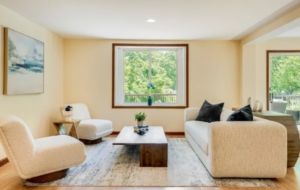
That convenience can support higher monthly rent. It may also help a property stand apart in a competitive online search, where polished, photo-worthy rooms get more attention than empty white walls. A bedroom with a tailored bed, warm lighting, and correctly scaled nightstands communicates use and comfort immediately. A furnished dining area shows that the unit can host a weekday dinner, a remote-work day, or a quiet weekend at home.
For short-term, mid-term, and corporate housing operators, furnishing is also closely tied to booking performance. The guest or resident is comparing an experience, not merely square footage. Well-planned interiors can support stronger rates, better reviews, repeat bookings, and fewer vacant nights. In a rental market where choices can blur together, design gives a unit a clear identity.
The revenue premium needs to cover the real costs
Higher rent is appealing, but it is not pure upside. Furnished owners take on the initial design and procurement expense, delivery and installation, replacement costs, damage risk, storage planning, cleaning, and more frequent inventory checks. A unit that earns an extra monthly premium but sits empty between short stays can underperform an unfurnished unit with a reliable year-long lease.
Before furnishing, estimate the likely rent premium and compare it with the cost of the complete setup, expected lease duration, turnover frequency, utilities, insurance, and ongoing refreshes. Include the cost of your time or management team. A furnished strategy works best when the premium is supported by real local demand, not just a hope that stylish furniture will justify a higher number.
Why Unfurnished Rentals Remain a Strong Choice
Unfurnished rentals are often the practical choice for conventional annual leases and residents who expect to settle in. Long-term tenants usually want their own furniture, family pieces, artwork, and routines. Giving them the space to create a personalized sanctuary can make a property feel more like home and may encourage longer occupancy.
From an operations standpoint, the model is simpler. Your startup cost is lower, there is less property to inspect and replace, and tenant damage disputes may be more straightforward because you are not tracking a full household of inventory. When a resident moves out, you are not coordinating furniture repairs, laundering linens, restocking kitchen supplies, or refreshing a design scheme before the next showing.
Unfurnished units can also appeal to a broader pool in markets driven by local households. A family looking for a two-year lease may see furnished inventory as an unnecessary expense or a signal that the owner prefers shorter stays. In these cases, an unfurnished home with excellent finishes, clean sightlines, and strong marketing photos can be exactly what the market wants.
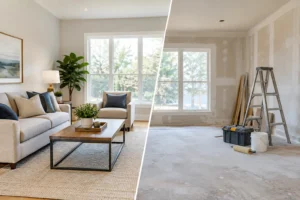
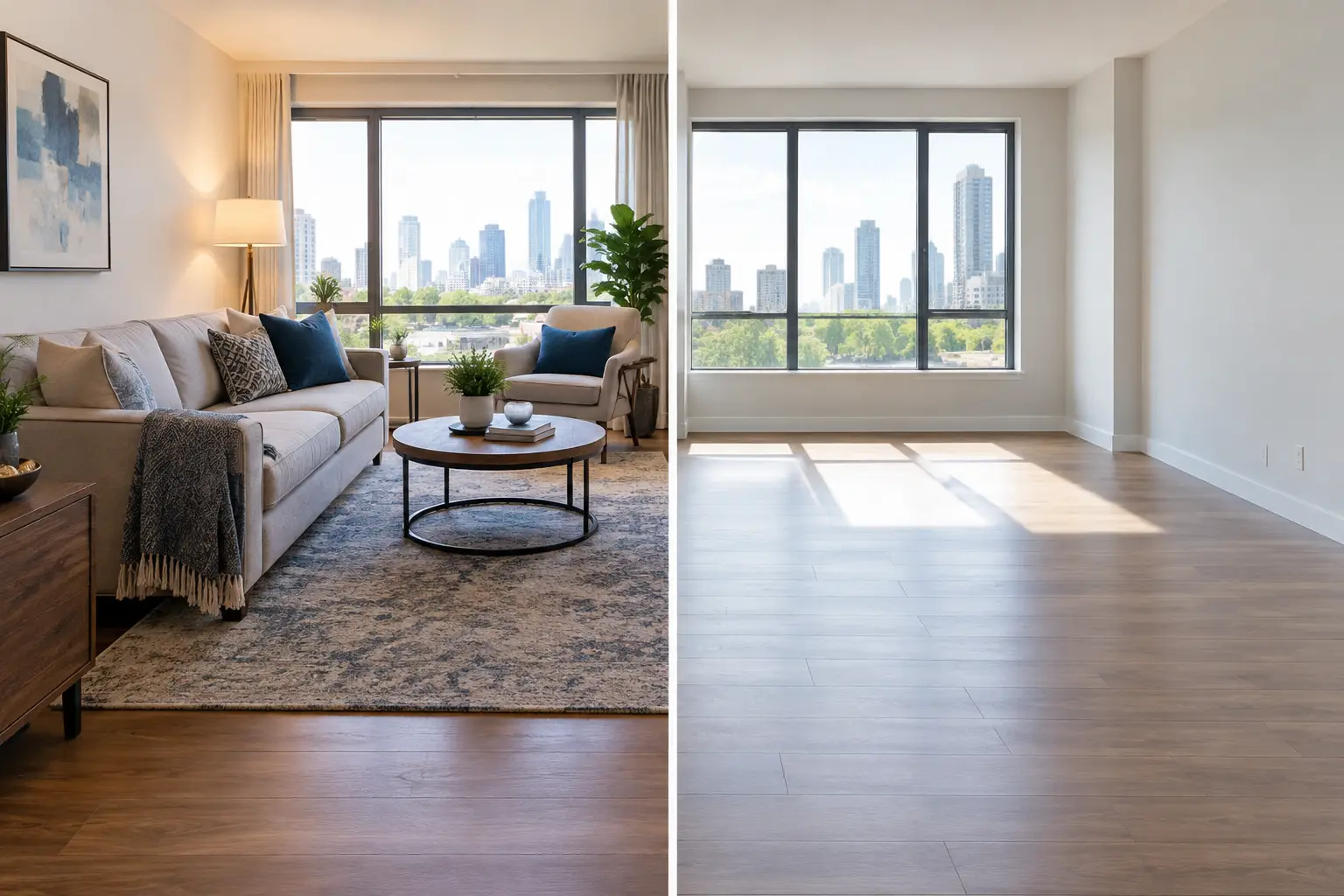
The trade-off is that empty rooms are harder to market. Even a well-renovated unit can look smaller, colder, or less functional without furniture to establish scale. A vacant living room does not show where a sectional fits. An empty nook does not suggest a home office. That is where temporary staging can provide the visual advantage of furnishing without changing the long-term rental model.
Match the Strategy to the Property and Tenant
Start with the renter, not the furniture. A luxury one-bedroom near transit may be an excellent candidate for corporate or mid-term furnished housing. A three-bedroom home in a school-focused neighborhood may be better positioned for an unfurnished annual lease. A new multifamily development may need furnished model units to create leasing momentum while offering most apartments unfurnished.
Lease length is the next filter. Shorter stays generally reward convenience, while longer stays often reward personal choice. There are exceptions: a furnished executive rental may secure a six- or twelve-month lease, and an unfurnished apartment can still work for a short-term resident who has local furniture. Still, lease duration provides a useful starting point for forecasting turnover and maintenance.
Then consider the unit itself. Compact apartments, studios, and one-bedrooms benefit greatly from professional space planning because every piece must earn its place. Oversized or poorly chosen furniture can make a unit feel cramped, while the right layout can make it feel open, functional, and elevated. Larger homes need a different approach. Furnishing every room for a short-term strategy can require significant capital, but select rooms may be staged to market an unfurnished lease more effectively.
Finally, study your competition with an operator’s eye. Look beyond advertised rent. Are comparable furnished units actually leasing quickly? What is included? Do photos look intentional? Are unfurnished listings sitting vacant because they are poorly presented, or because pricing is out of line? The best strategy is grounded in the specific demand surrounding your address.
Presentation Is Not Optional in Either Model
A furnished property should feel intentional, not temporary. Neutral foundations, durable materials, layered lighting, quality bedding, and art that adds character without becoming overly personal create an inviting experience for a wide range of renters. The goal is not to make every room look like a showroom. It is to make a prospect walk in and think, “I could live here.”
An unfurnished property needs the same level of care in a different form. Fresh paint, repaired finishes, clean grout, updated hardware, organized closets, and well-lit rooms make the home feel maintained and move-in-ready. Professional staging can be especially valuable during marketing. It helps prospective renters understand room scale and lifestyle possibilities, then can be removed before move-in.
Set the Stage® approaches both options as performance decisions. For a furnished rental, a designer-led package can bring together sourcing, delivery, installation, and a cohesive look without asking an owner to manage dozens of purchases. For an unfurnished listing, strategic staging can create the emotional connection that moves a qualified prospect from browsing to applying.
A Practical Decision Framework
Choose a furnished rental when there is clear demand for flexible housing, the projected rent premium covers furnishing and turnover costs, and your operations can support the additional care. It is particularly compelling when convenience is a defining benefit of the location or tenant profile.
Choose an unfurnished rental when your market favors stable, long-term residents, your priority is operational simplicity, or the available premium does not justify the capital investment. You can still market it with the polish of a furnished home by staging for photography and showings.
For many owners, the smartest route is a hybrid approach: use professional furnishings to launch the listing or lease model unit, then offer the residence unfurnished under a traditional lease. This protects the visual impact that drives inquiries while preserving the lower-maintenance operating model.
The best rental does not merely provide a place to sleep. It makes the right renter feel at home quickly, protects your investment, and gives every square foot a reason to earn its keep.