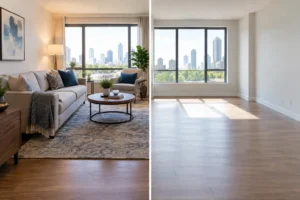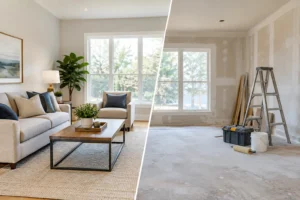
A vacant apartment rarely tells the whole story. In listing photos, an empty living room can look smaller than it is, an awkward bedroom layout can become the focal point, and a beautiful renovation can still feel unfinished. Apartment staging for lease changes that experience by giving prospective renters a clear, inviting picture of how life could look inside the unit.
For property managers, investors, developers, and leasing teams in Union, Essex, and Morris Counties, that picture has real financial value. A well-presented apartment can draw more attention online, create stronger showing experiences, shorten vacancy periods, and support a confident leasing decision. The goal is not to overdecorate a unit. It is to merchandise it with purpose, so every room feels welcoming, functional, and worth a closer look.
Why Empty Apartments Can Cost More Than Expected
Renters make fast judgments, often before they schedule a tour. They scroll through photos, compare layouts, and decide within moments whether a property feels aligned with their lifestyle. An unfurnished apartment leaves more work to the viewer’s imagination, and not every prospect can easily visualize where a sofa, dining table, work desk, or bed will fit.
That gap matters most in competitive rental markets. If a nearby community presents polished, furnished model units while another offers only bare rooms and wide-angle photos, the staged apartment usually creates the more memorable first impression. It feels warmer, more complete, and easier to understand.
Vacancy is not the only consideration. A vacant unit may also attract lower-quality inquiries from prospects who are shopping purely by price. Staging helps position the apartment as a desirable home rather than a commodity. That distinction can support stronger perceived value, especially for renovated units, luxury rentals, new developments, and apartments with standout amenities.
Apartment Staging for Lease Is Merchandising, Not Decoration
Effective apartment staging for lease begins with the renter profile and the property’s business objective. A one-bedroom near a train station may need to speak to a professional who works from home and wants an easy commute. A two-bedroom in a walkable downtown setting may appeal to roommates, a young family, or downsizers seeking a comfortable, low-maintenance lifestyle. A furnished corporate rental has different requirements altogether.
The design direction should reflect those likely renters without becoming too narrow or overly personal. Clean-lined furniture, layered textiles, fresh art, and a well-scaled layout can make a home feel current and elevated while still allowing prospects to imagine their own belongings in the space.
Scale is one of the most strategic decisions. Furniture that is too large can make an apartment feel cramped. Furniture that is too small can make a room feel sparse and diminish the perceived value of the unit. The right pieces establish proportion, define circulation, and show that the layout works in real life.
A living room should demonstrate conversation and comfort. A bedroom should feel restful while proving that it accommodates a proper bed and bedside tables. Even a compact dining nook can become a selling feature when it is styled as a purposeful place for coffee, meals, or laptop time.
Start With the Rooms That Influence Leasing Decisions
Not every apartment needs every room staged in the same way. Budget, unit size, building class, and the availability of a model unit all influence the final plan. Still, the most successful presentations prioritize the spaces renters notice first and use most often.
Create a Living Room With a Clear Point of View
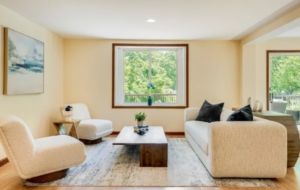
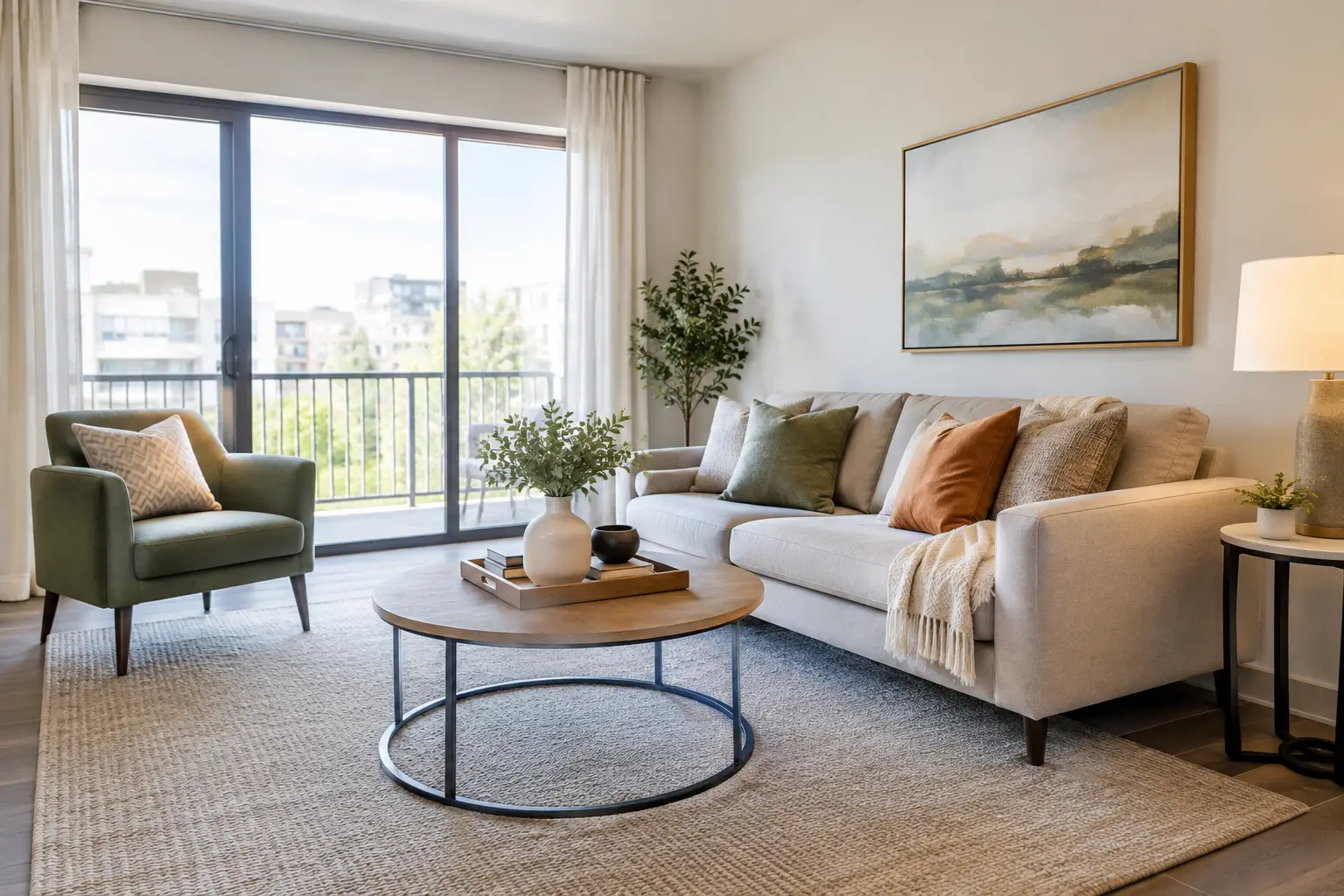
The living room often carries the emotional weight of the showing. It should feel open enough for daily living yet intentional enough to photograph beautifully. A balanced seating arrangement, an area rug, side tables, artwork, and selective accessories can turn a blank rectangle into a comfortable living space.
For smaller apartments, staging can also solve practical questions. A slim-profile sofa, nesting tables, and a well-placed accent chair may show more usable floor area than a bulky sectional. The point is not to fill every corner. Negative space helps renters understand the room’s true dimensions.
Make Bedrooms Feel Restful and Properly Sized
Bedrooms are where renters test the apartment against their daily routines. Can the room hold a queen bed? Is there room to walk around it? Where would a dresser go? A professionally staged bedroom answers those questions at a glance.
Neutral bedding with texture, appropriately scaled nightstands, soft lighting, and understated artwork create a polished retreat without distracting from the room itself. In a primary bedroom, the presentation should feel like a personalized sanctuary. In secondary bedrooms, flexibility matters more – a guest room, child’s room, or office-ready setup may make better sense depending on the property and target demographic.
Do Not Overlook the Dining Area and Work-From-Home Potential
Today’s renters often need more than a place to sleep. They need a home that supports dinner with friends, remote work, online meetings, and everyday organization. A small dining table may be enough to establish a dining zone, while a simple desk vignette can reveal an overlooked work-from-home opportunity.
This is particularly valuable in studios and one-bedroom apartments, where every square foot needs to earn its place. Thoughtful staging shows versatility without making the unit feel crowded.
Build a Photo Strategy Before the Furniture Arrives
Leasing begins online, which means staging should be planned with photography in mind. Great listing photos are not simply bright images of empty rooms. They should create visual rhythm, communicate scale, and give a prospect reasons to keep scrolling.
Before installation, consider the unit’s strongest features: oversized windows, high ceilings, renovated kitchens, private outdoor space, built-in storage, or a dramatic city view. The furniture plan should complement those assets rather than block them. A sofa facing a view, a styled breakfast bar, or a bed positioned to reveal generous circulation can make a substantial difference in the final images.
Lighting deserves equal attention. Natural light should be maximized, but it is not always enough. Lamps add warmth and depth, especially in bedrooms and living rooms where overhead fixtures can feel harsh. Clean windows, working bulbs, and consistent color temperature help the entire apartment feel more polished.
The same staging should work beyond photos. It should hold up during tours, open houses, broker previews, and video walkthroughs. A renter who arrives after seeing beautiful images should feel that the apartment delivers on the promise.
When Full Staging Makes Sense and When It Does Not
Full staging is often the right move for vacant apartments with longer layouts, premium finishes, unusual room configurations, or higher monthly rents. It can also be an effective investment for a first-release unit in a new building, where the staged apartment sets the visual standard for the entire property.
However, full staging is not the only answer. If the apartment already has excellent proportions and limited vacancy exposure, a lighter approach may be enough. A partial furnishing plan, targeted accessory styling, or a staged model unit can create impact while keeping costs focused. For occupied rentals, editing, organizing, and styling the existing furnishings may be more practical than bringing in a full inventory.
The right scope depends on how quickly the unit needs to lease, what comparable properties are offering, and how much the apartment’s presentation needs to do to justify its asking rent. A staging consultation can identify where the greatest return is likely to come from.
Treat the Model Unit as a Leasing Tool
For multifamily buildings and new developments, a staged model unit does more than fill one apartment. It gives leasing teams a powerful place to begin every tour. Prospects can connect with the finishes, experience the scale, and picture a lifestyle that extends to similar floor plans throughout the building.
A strong model also makes marketing more efficient. It creates a reliable setting for photography, social content, leasing collateral, and prospective resident events. Instead of trying to explain the potential of an empty unit, the team can show it.
At Set the Stage®, furnishing and staging plans are developed around the property’s audience, timeline, and performance goals. From a single vacancy to a full model apartment, professional installation and a fresh, modern inventory help create a presentation that feels ready for the market.
Keep the Showing Experience as Polished as the Photos
Staging cannot compensate for an apartment that is not clean, maintained, or easy to access. Before photography or showings, ensure the unit is fully cleaned, repairs are complete, closets are organized, and odors are addressed. These fundamentals protect the investment in furniture and styling.
During active leasing, keep the unit looking consistent. Replace missing accessories, reset pillows and bedding after tours, and make sure lighting remains switched on for scheduled appointments. Small details shape perception. A neatly presented apartment signals attentive property management and gives renters more confidence in the experience they will receive after move-in.
The most effective rental presentation does not ask prospects to imagine a better version of the apartment. It lets them walk in, feel at home, and begin picturing their own next chapter there.