
A listing goes live with the right address, a competitive price, and plenty of potential. Then the first showing feedback arrives: “It felt small.” “I couldn’t picture my furniture there.” “The photos didn’t pull me in.” That is where the staging versus price reductions conversation becomes more than a marketing choice. It becomes a decision about protecting equity, momentum, and the quality of the offers a property attracts.
For sellers and agents in Union, Essex, and Morris Counties, a price reduction can be necessary in the right market conditions. But reducing the price before addressing how a home looks, feels, and photographs can leave money on the table. Strategic staging often gives buyers a clearer reason to act before the listing’s perceived value begins to slip.
Why buyers respond to presentation before potential
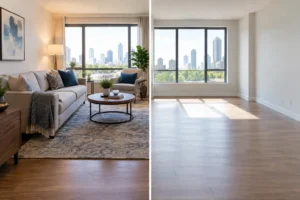
Most buyers do not walk into a property and mentally redesign every room. They react to what is in front of them. A vacant living room can feel cold and smaller than it is. An occupied home with oversized furniture, crowded counters, or unfinished corners can distract from the architecture, light, and flow buyers should be noticing.
Staging is visual merchandising for real estate. It gives each room a purpose, creates an emotional point of view, and helps a buyer understand how life could feel in the home. A comfortable living space suggests connection and ease. A polished primary bedroom becomes a retreat. A thoughtfully furnished dining area makes entertaining feel possible rather than hypothetical.
That response begins online. Listing photos have only seconds to earn attention, and strong images drive showings. Once buyers arrive, the space needs to support what the photos promised. When a home feels move-in-ready and photo-worthy, buyers spend less energy calculating what they need to fix, buy, remove, or figure out.
Staging versus price reductions: the real cost comparison
A price reduction is highly visible. It updates the number in the listing and can prompt agents and buyers who have been watching to take another look. It may be the right move when comparable sales, market shifts, inspection findings, or an initially aggressive list price show that the property is misaligned with buyer expectations.
But a reduction does not solve a presentation problem. If buyers passed because the rooms looked cramped, vacant, dated, or difficult to use, a lower number may simply confirm that something is wrong. The listing can begin to feel stale, and sellers may face repeated reductions rather than one strategic improvement.
Staging is an investment in perceived value and buyer confidence. It is not a substitute for correct pricing, but it can help a correctly priced home compete with more compelling alternatives. It can also support a stronger initial launch, when a listing has the highest level of attention and urgency.
Consider the math. A modest reduction on a mid-to-upper-price property can quickly exceed the cost of professional staging. And the financial impact is not limited to the sale price. Longer market time can mean additional mortgage payments, taxes, insurance, utilities, maintenance, and the emotional strain of keeping a home ready for showings. For investors and property managers, a vacant unit carries its own monthly cost in lost rent and operating expenses.
The goal is not to avoid every reduction at all costs. The goal is to ensure the property is being judged at its best before price becomes the only lever left to pull.
When staging is the smarter first move
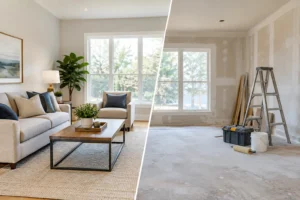
Staging is especially powerful when the home has good fundamentals but is not communicating them clearly. This is common with vacant properties, inherited homes, renovations, flips, builder inventory, and occupied homes where daily life has taken over the visual story.
Vacant homes need scale and warmth
Empty rooms rarely feel as expansive as sellers expect. Without furnishings, buyers may struggle to judge room dimensions or picture how they would arrange a sofa, dining table, or bed. Empty spaces also photograph with hard lines and little warmth.
A tailored staging plan adds proportion, color, texture, and a sense of lifestyle. It can show that an alcove is a productive home office, that a lower level is a welcoming media room, or that an awkward corner can become a useful reading area. These details turn square footage into usable square footage in the buyer’s mind.
Occupied homes need editing, not reinvention
An occupied home does not always need full staging. Sometimes the highest-impact solution is a pre-listing consultation, strategic organizing, furniture edits, refreshed bedding, updated artwork, and accessories that bring cohesion to the photographs and showings.
The point is not to erase the homeowner’s personality. It is to reduce visual noise so buyers can notice the home itself. When the rooms feel open, intentional, and easy to move through, buyers can start imagining their own routines there.
Dated rooms can benefit from a fresh point of view
Not every seller should renovate before listing. Major projects are expensive, disruptive, and not always recoverable. Yet a home with traditional finishes or older details may still need a more current visual context. Contemporary furnishings and thoughtful styling can shift attention toward natural light, generous room sizes, architectural details, and a home’s overall livability.
This approach is particularly useful when a seller needs to list quickly. Rather than delaying the launch for an extensive renovation, staging can create an elevated presentation that helps buyers see the opportunity without feeling overwhelmed by it.
When a price reduction is absolutely warranted
Staging works best alongside an honest pricing strategy. If a listing receives strong online views and steady showings but no second visits, no meaningful feedback, and no offers, the market may be signaling a pricing issue. The same is true when nearby comparable properties are selling while yours remains active despite a polished presentation.
A reduction may also be appropriate after a major market change, a difficult inspection outcome, or a valuation gap that cannot be resolved through presentation alone. Buyers are informed. They compare location, condition, taxes, layout, updates, and competing inventory with surprising speed.
In those situations, staging can still help. A newly adjusted price deserves a strong visual relaunch. Updated photography, refreshed rooms, and a clearer lifestyle story give the market a reason to revisit the property. Price may create the notification, but presentation helps create the emotional connection.
Start with the listing’s diagnosis, not a default answer
The most effective decision comes from looking at the complete picture: the price relative to relevant comparables, days on market, online engagement, showing volume, buyer comments, property condition, and competing listings. One weak metric does not tell the whole story.
If a home has very few showings, the issue may be price, photography, listing exposure, or all three. If it has many showings but buyers consistently comment on clutter, room function, darkness, or lack of warmth, presentation should be addressed immediately. If showings are strong but offers are low, evaluate both the price and the condition buyers are factoring into their numbers.
This is why staging should be planned before the listing goes live whenever possible. It allows the seller, agent, and staging team to choose the right level of support for the property rather than making rushed decisions after momentum has slowed.
The strongest strategy often uses both levers thoughtfully
The choice is not always staging or a price reduction. A seller may need to adjust the price while also improving the property’s presentation. The key is sequencing and intention.
First, make sure the home is ready to compete. Clean, organize, repair visible distractions, define the rooms, and create photography that earns attention. Then launch at a price supported by the market. If feedback later confirms a price adjustment is needed, pair it with a meaningful refresh rather than quietly changing the number and hoping for a different result.
For builders, investors, and property managers, this principle extends beyond resale. A furnished model, rental, or short-term stay can command more attention because it sells a lifestyle immediately. Well-chosen furnishings help prospects understand value, imagine daily use, and feel ready to commit.
Make the first impression work harder
A property only gets one true debut. Before sacrificing price, ask whether the listing is presenting the home buyers want to buy, or merely documenting the space as it is. The difference can shape everything that follows, from showing activity to negotiating leverage.
Set the Stage® helps sellers, agents, investors, and property teams create elevated, buyer-ready spaces with a staging approach designed around the property, the audience, and the transaction goals. A pre-listing consultation can reveal whether a targeted refresh, occupied staging plan, or full vacant installation is the smarter move before the market starts setting the narrative for you.
Give buyers a space they can picture themselves coming home to. That feeling is often worth protecting before the price tag has to do all the work.