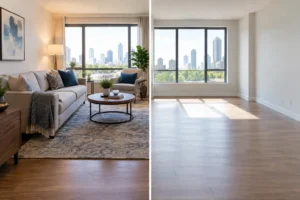

A dated kitchen, a tired primary bath, and an empty living room can all make a seller hesitate before listing. But staging versus renovation is not a simple choice between doing nothing and rebuilding everything. The right pre-sale strategy depends on what buyers will notice first, what the market is rewarding, and whether an investment will create a meaningful return before closing.
For sellers, agents, builders, and investors in Union, Essex, and Morris Counties, the goal is rarely to create a dream home for the current owner. It is to present a property that feels polished, memorable, and ready for its next chapter. Sometimes that calls for renovation. Often, it calls for thoughtful staging, strategic styling, and a sharper point of view.
Staging Versus Renovation: Start With the Buyer Experience
Buyers make fast emotional judgments. Before they inspect cabinet hinges or compare utility bills, they notice light, scale, flow, and whether they can picture their own lives unfolding in the home. A professionally staged space gives them a visual answer: this is where the sofa goes, this is how the dining room works, this is the peaceful retreat at the end of the day.
Renovation addresses the home itself. It can correct worn finishes, improve function, modernize an obsolete layout, or remove a condition issue that may become an inspection concern. Staging addresses presentation. It uses furniture, artwork, lighting, accessories, and intentional room planning to show a property at its best in person and in listing photography.
Both can influence saleability. The question is whether the property needs a physical correction or a more compelling presentation.
When staging delivers the smarter return
Staging is often the right move when the home is structurally sound but visually underperforming. Vacant rooms can feel smaller than they are. An oversized sectional can hide an otherwise generous family room. Personal collections, heavy window treatments, mismatched furnishings, and unfinished storage areas can distract buyers from the home’s real assets.
In these situations, a renovation may not solve the central problem. New countertops will not help a buyer understand an awkwardly empty great room. A fresh backsplash will not make dark listing photos feel inviting. Staging can define each room’s purpose, create scale, brighten sightlines, and turn a house into a comfortable living space buyers remember after a full day of showings.
This is especially valuable for vacant listings, where every room needs to earn its place in the buyer’s imagination. A well-furnished living room, a warm dining setting, and a calm primary suite create a cohesive story. They also help photography work harder, giving online buyers the visual confidence to schedule a showing.
When renovation is worth considering
Renovation becomes more compelling when the condition of the property may prevent buyers from moving forward or materially affect its price position. Damaged flooring, obvious water stains, peeling paint, broken fixtures, severely worn cabinetry, or an outdated bath that competes poorly with comparable listings may call for repair or selective improvement.
The most effective pre-sale renovations are focused, not emotional. They solve visible problems, align the property with buyer expectations in its price range, and avoid turning a listing into an open-ended construction project. Fresh neutral paint, refinished floors, updated lighting, repaired trim, or a clean vanity and mirror package can have more impact than a full remodel completed on a rushed timeline.
A complete kitchen renovation can be the right decision for a property that is truly obsolete relative to its competition. But it can also consume time and capital without guaranteeing that a seller recovers every dollar. Buyers have different tastes. A seller may spend heavily on finishes that feel current to them but do not resonate with the eventual buyer.
The Cost of Waiting Can Change the Decision
A renovation budget is only one part of the equation. Sellers also need to consider timing. Construction introduces scheduling, material availability, contractor coordination, and the possibility of surprises behind walls or under floors. Each delay can postpone photography, listing launch, showings, and the opportunity to capture active buyer demand.
Staging is designed for speed. Once the home is cleaned, repaired, and prepared, a trained staging team can bring in furnishings and décor that make the property feel elevated and photo-worthy without requiring weeks of construction. For a seller who needs to list promptly, that efficiency can matter as much as the design itself.
There is also the carrying cost of a delayed listing. Mortgage payments, taxes, insurance, utilities, and maintenance continue while a home is being renovated. For investors, developers, and flippers, the same delay can affect project margins. A targeted refresh paired with strategic staging may get the property to market sooner while still creating a strong visual impression.
Use Renovation for Problems, Staging for Possibility
The strongest listing strategy is frequently a combination of both. Address the issues that make a home feel neglected or create buyer concern, then stage the finished space to make its potential immediately visible.
Consider a townhome with dated paint, a worn vanity, and small secondary bedrooms. Painting and replacing the vanity may remove the most obvious objections. Staging then shows how the bedrooms can function as a nursery, home office, or guest space without feeling cramped. The improvements make the home cleaner and more competitive; the furnishings make it easier to fall in love with.
The same principle applies to a recently renovated property. New finishes do not automatically produce a strong listing. Without furniture and styling, buyers may see a beautiful kitchen but struggle to understand the rhythm of the home. A staged dining area, lounge space, and personalized sanctuary in the primary bedroom add warmth to new construction and help the design feel complete.
How to Decide Before You Spend
Begin with the property’s market position. Look at comparable homes that have sold or are currently competing for the same buyer. Are they renovated, simply well maintained, or professionally presented? A home should feel appropriate for its neighborhood and price point. Over-improving can be just as costly as under-preparing.
Next, identify what could stop a buyer from making a strong offer. Condition concerns, deferred maintenance, dated paint colors, and poor first impressions should rise to the top of the list. Then separate those concerns from purely personal preferences. A buyer may not choose the same pendant lights or tile, but they can still respond positively to a clean, current, well-presented home.
Finally, evaluate how the home will appear online. Most buyers encounter the listing through photographs before they ever enter the front door. Rooms that photograph dark, empty, cluttered, or confusing lose an opportunity to create interest. Strategic staging gives every image a job: capture attention, show scale, and invite the next click.
A Different Approach for Occupied and Vacant Homes
Occupied homes usually benefit from editing before they benefit from adding. Removing excess furniture, personal photos, crowded shelving, and off-season storage can reveal better architecture and cleaner circulation. From there, rental furnishings and accessories can fill gaps, modernize key rooms, and create a more cohesive presentation without asking a seller to replace everything they own.
Vacant homes need a fuller visual plan. Empty spaces can feel cold and echoing, and buyers often underestimate room dimensions without furniture as a reference point. Staging establishes proportions, improves visual flow, and makes features such as fireplaces, bay windows, built-ins, and open-concept layouts feel intentional.
Set the Stage® approaches these decisions through a sales-focused lens: what will help the listing stand out, photograph beautifully, and give buyers confidence? That may mean a full staging installation, a focused consultation for an occupied home, or a furnishing plan that supports a model, rental, or investment property after the sale.
The Best Investment Is the One Buyers Can See
Renovation can solve a genuine problem. Staging can turn a well-kept but overlooked home into a property that feels move-in-ready and emotionally engaging. Neither is automatically the better choice, and the biggest budget is not always the best strategy.
Before committing to major work, look at the home through a buyer’s eyes and ask one practical question: does this property need to be fixed, or does it need to be seen differently? The answer can protect your timeline, focus your budget, and help the right buyer picture themselves at home.