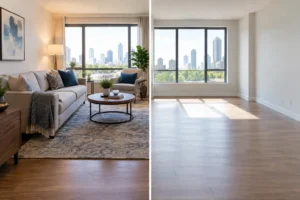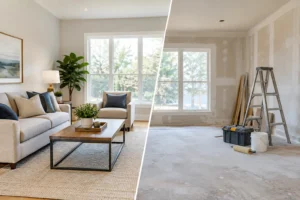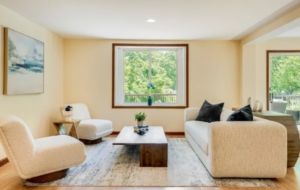
A listing can have a renovated kitchen, a desirable neighborhood, and the right price – yet still struggle to create urgency. Often, the issue is not the property itself. It is the presentation. So, how does home staging help sell a house? It turns square footage into a clear, compelling lifestyle buyers can picture themselves living from the first online photo through the final walkthrough.
For sellers, agents, builders, and investors in Union, Essex, and Morris Counties, staging is not simply decorating before a sale. It is a strategic merchandising decision. The right furnishings, layout, lighting, and finishing details make a home feel larger, more current, more functional, and more emotionally inviting. That can translate to stronger showing activity, a more confident buyer response, and a better path to the offer table.
How Does Home Staging Help Sell a House Faster?
Most buyers encounter a home on a screen before they ever see its front door. In a crowded listing feed, a dark vacant room or an overly personal occupied space can make buyers scroll past before they understand the home’s potential. Staging gives the listing visual clarity and polish, helping professional photography work harder from the start.
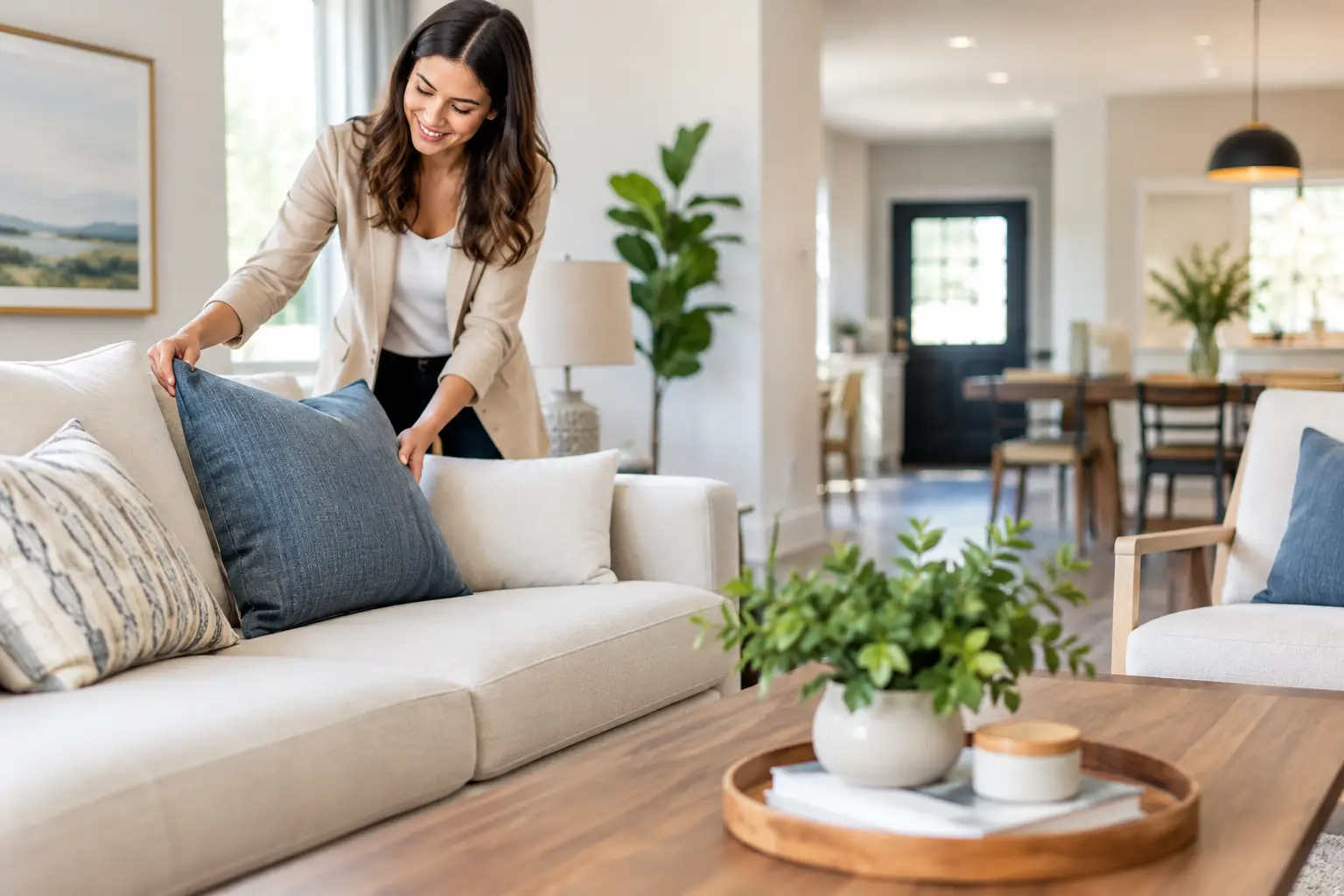
A staged living room shows where people gather. A furnished dining area suggests memorable dinners and easy entertaining. A thoughtfully styled primary bedroom creates the feeling of a retreat rather than just another room with four walls. Those visual cues matter because buyers are making fast judgments about whether a property feels worth a visit.
Once they arrive, staging continues to guide the experience. It creates natural sightlines, highlights architectural details, and gives each room a purpose. Instead of asking, “What would we do with this space?” buyers can immediately see a home office, reading nook, guest room, or play area. Fewer unanswered questions can make a showing feel more decisive.
That does not mean staging changes a property’s fundamentals. It cannot correct an unrealistic asking price, a poor location, or a major deferred-maintenance issue. What it can do is ensure that the home’s best features are visible, understandable, and memorable – rather than hidden beneath empty rooms, clutter, dated furniture, or awkward layouts.
It Makes the Home Easier to Understand
Empty homes often look smaller in photographs than they do in person. Without furnishings to establish scale, a buyer may not know whether a bedroom fits a queen bed, whether a living room can accommodate seating, or where a dining table belongs. The result can be uncertainty, even in a well-proportioned house.
Staging answers those questions visually. A properly sized sofa, rug, and accent chairs establish the scale of a living area. Nightstands and layered bedding make a bedroom feel generous and comfortable. A desk and chair can transform an overlooked corner into a practical work-from-home feature. Every selection should support the story of the property, not compete with it.
This is especially valuable in homes with open layouts, bonus rooms, finished basements, or compact urban spaces. Buyers may see possibility, but possibility takes mental work. A staged room reduces that work by presenting an immediate, attractive answer.
Occupied homes need a different approach. The goal is not to erase the owner’s life, but to edit it so that buyers can see their own lives there. Removing excess furniture, personal photos, and highly specific collections can make rooms feel more spacious and broadly appealing. Strategic additions, such as updated bedding, artwork, accessories, or a fresh seating arrangement, can elevate what is already there without requiring a complete overhaul.
Staging Creates an Emotional Reason to Choose This Home
Real estate decisions involve spreadsheets, inspections, and financing. They are also deeply emotional. Buyers may compare homes with similar bed and bath counts, but the property that feels warm, easy, and move-in-ready often has an advantage.
A polished, comfortable living space allows buyers to imagine Sunday mornings by the window, friends around the kitchen island, or a quiet evening in a personalized sanctuary. That feeling is not accidental. It comes from balanced color, considered textures, practical furniture placement, and details that make the home feel cared for.
The strongest staging does not impose one dramatic design personality. It creates a refined backdrop that lets the buyer’s imagination take over. Contemporary furnishings may complement a renovated condo, while warm wood tones and layered textiles may better suit a classic colonial. The design should respect the architecture, likely buyer profile, price point, and neighborhood expectations.
For new construction, model homes, and recently renovated flips, this emotional layer is often what turns a finished structure into a place buyers can fall in love with. Clean finishes alone can feel clinical. Furnishing makes the investment feel complete.
Better Photos Bring Better Showing Activity
A staging plan should begin with the listing’s first impression: photography. Strong images capture light, scale, flow, and focal points. They also create a more consistent presentation across listing platforms, social media, brochures, and agent outreach.
When rooms are arranged intentionally, photographers have clear compositions to capture. A balanced bed wall, a styled kitchen counter, or a welcoming entry can become the image that stops a prospective buyer from scrolling. This matters because more qualified interest can create more opportunities for showings and competitive offers.
Presentation also affects the quality of the showing. Buyers who were drawn in by polished photos should find a home that delivers on that promise in person. An empty property can photograph beautifully with careful angles yet feel flat during a walkthrough. A fully staged home gives buyers a consistent experience from click to close.
Staging Can Support Stronger Offers
The financial case for staging is not that every staged home automatically sells above asking price. Markets vary. Inventory levels, condition, pricing strategy, property type, and buyer demand all influence the outcome.
The more reliable advantage is positioning. A home that looks prepared, updated, and easy to move into may feel less risky to buyers. It can stand apart from comparable listings that appear unfinished, cramped, or difficult to visualize. When buyers perceive greater value, they may be more willing to act quickly and negotiate less aggressively.
For sellers, this can be particularly meaningful when carrying costs are adding up. Extra mortgage payments, taxes, utilities, insurance, maintenance, and vacancy can erode returns while a listing sits. For investors and builders, a faster sale or lease-up can free capital for the next project. For agents, a listing that photographs beautifully and shows well reinforces a thoughtful, high-service marketing strategy.
The level of investment should fit the opportunity. A luxury property, a new development, and a starter home will not need the same scope. Sometimes a full vacant-home installation is the right move. In other cases, an occupied-home consultation, organizing support, and targeted updates can make the biggest difference. The objective is not to spend indiscriminately. It is to prioritize the rooms and visual moments that influence buyer perception most.
Which Rooms Matter Most?
Buyers tend to form their strongest impressions in the spaces that define daily living: the entry, living room, kitchen, dining area, primary bedroom, and main outdoor area. These rooms deserve the most attention because they frequently lead listing photography and shape the flow of an in-person tour.
Secondary spaces still matter, especially when they solve a buyer need. A spare room can become a home office. A small basement can read as a media room or fitness area. A vacant loft can become a study zone. The key is to give the space a believable, proportionate use.
Avoid staging every inch with furniture and accessories. Overfilling rooms can make them feel smaller, while styling too sparsely can leave them cold. The right balance is edited, functional, and elevated. It should make a buyer notice the home’s possibilities, not the staging itself.
A Sales-Focused Process Makes the Difference
Professional staging is most effective when it begins with the sale strategy, not a generic decorating formula. A staging partner should consider the home’s architecture, condition, target buyer, list price, local competition, and timeline. From there, the furnishings and accessories should be selected to spotlight value and create a cohesive experience.
That may mean furnishing a vacant home from the ground up, refining an occupied listing before photography, or creating a turnkey package for a buyer who wants to move into a finished space. At Set the Stage®, the focus is on making each property feel photo-worthy, welcoming, and ready for its next chapter – while keeping execution organized for sellers and real estate professionals.
Before your next listing goes live, walk through it with one question in mind: can a buyer immediately see how they would live here? If the answer is not an easy yes, thoughtful staging can turn hesitation into a reason to schedule the showing.