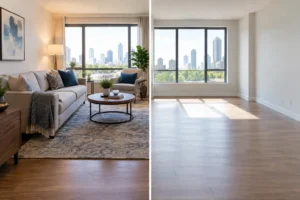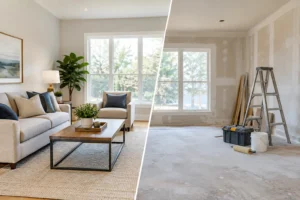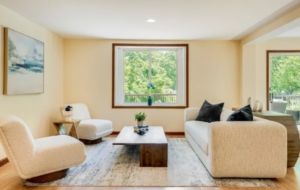

A listing can lose momentum before the first buyer ever walks through the door. Dark photos, empty rooms, crowded countertops, and an unfinished feel make it harder for buyers to picture a comfortable living space – and harder for agents to create urgency. So, when should listings be staged? Ideally, before photography and before the home hits the market. But the strongest answer depends on the property, the seller’s timeline, and what the listing needs to accomplish.
Staging is not a last-minute decorative layer. It is a sales strategy that prepares a home to compete visually, photograph beautifully, and help buyers form an emotional connection quickly. In busy markets across Union, Essex, and Morris Counties, that preparation can shape everything from showing traffic to offer quality.
When Should Listings Be Staged? Before Photos and Launch
The best time to stage a listing is after repairs, paint, cleaning, and major updates are complete, but before professional photography, video, virtual tours, broker previews, or open houses. This sequence gives every marketing asset a polished, consistent foundation from day one.
A listing’s first showing often happens on a phone. Buyers scroll quickly through photos and make immediate judgments about scale, light, condition, and lifestyle. A well-staged living room looks intentional rather than vacant. A styled dining area shows how people can gather. A welcoming primary bedroom makes the home feel like a place to settle in, not simply another property to evaluate.
Launching with staged photography also prevents a common misstep: posting a home empty or partially prepared just to get it live, then replacing the photos later. Early activity is valuable. Give buyers, agents, and social media audiences the strongest version of the property while attention is highest.
For most homes, plan staging at least one to two weeks before the intended list date. That window allows time for a walkthrough, recommendations, furniture selection, installation, photography, and a final review of the details that affect presentation. Larger homes, luxury properties, new construction, or occupied homes requiring organizing and edits may need additional lead time.
Stage Before the Seller Moves Out – When Possible
Occupied homes can be staged, and often very successfully. Yet timing matters. If a seller is preparing to move, the most efficient approach is usually to begin the pre-listing consultation before boxes appear, furniture is removed, and daily routines take over every surface.
A staging professional can identify what should stay, what should go into storage, and which rooms need additional furnishings or accessories. This is especially useful in homes with good existing pieces but uneven visual impact. The goal is not to erase personality. It is to reduce distraction and present each room with a clear purpose.
For example, a spare room functioning as a home office, storage area, and exercise space may leave buyers uncertain about its size and potential. Defining it as a clean guest room or an inviting office helps them understand the home instantly. Likewise, editing an overfilled family room can reveal square footage, improve sightlines, and make the room feel more valuable.
If the seller has already moved out, staging should happen before photos whenever the budget and timing allow. Vacant homes tend to feel smaller in photos, colder in person, and less memorable after a full day of showings. Furniture creates proportion. Artwork, lighting, and textiles add warmth. A thoughtfully furnished layout helps buyers see not just where a sofa might fit, but how life could unfold in the space.
Listings That Should Be Staged Immediately
Some properties benefit from staging in nearly every circumstance because the risk of under-presenting them is high. Consider moving staging to the front of the marketing plan when a listing is:
- Vacant, partially vacant, or newly renovated
- A new build, model home, condominium, or townhome with similar competing units
- An investment property, flip, inherited home, or rental conversion
- An occupied home with dated furnishings, excess belongings, or challenging room layouts
- Priced at a level where buyers expect an elevated, move-in-ready experience
- Being marketed to out-of-area buyers who will make decisions largely from online visuals
These situations do not all require the same level of service. A consultation and strategic organizing plan may be right for one owner-occupied home. A full furniture installation may be the stronger choice for a vacant property where every room needs to earn its place in the buyer’s imagination.
Do Not Wait for the Listing to Sit
A property that has been on the market for several weeks without strong interest is a clear reason to reassess presentation, but it should not be the default staging timeline. Waiting until a listing becomes stale can mean missing the audience that was most motivated when the home first launched.
That said, staging can be a smart reset after a price adjustment, a season change, a tenant move-out, or feedback that repeatedly points to the same issue. If buyers say rooms feel small, the layout is confusing, or the home does not match its price point, staging directly addresses the visual experience behind those comments.
The reset needs to be visible. Pair the updated presentation with new professional photos and refreshed marketing so the listing re-enters the market looking meaningfully different. Simply adding a few pillows after weak photos rarely changes buyer perception. The goal is a fresh visual story: brighter, more spacious, more current, and more compelling.
Timing for Different Property Types
Vacant Homes and New Construction
For vacant listings, stage as soon as construction punch-list items, cleaning, and final repairs are complete. Do not schedule photography in an empty home if staging can be installed shortly afterward. The finished design should be part of the launch plan, not a later enhancement.
New construction deserves the same discipline. Buyers may understand a floor plan on paper, but furnishings make the scale tangible. They show how a dining room functions, how a flex room can serve a family, and how a compact bedroom can still feel calm and livable. In developments with multiple available units, a polished model or staged representative unit can set the visual standard for the entire community.
Occupied Seller Homes
Begin with a pre-listing consultation four to six weeks before the anticipated market date when possible. Sellers need time to repair, edit, pack, paint, and make thoughtful decisions without the stress of an immediate launch.
Not every occupied home needs a full staging package. Sometimes the highest-return work is rearranging furniture, removing excess pieces, updating bedding, styling key surfaces, and bringing in targeted rental items for the main living area, dining room, primary bedroom, and outdoor spaces. The best plan is the one that solves the property’s actual presentation gaps while respecting the seller’s timeline.
Rentals, Short-Term Stays, and Investor Properties
For a rental, staging or furnishing should be complete before the first leasing photos are captured. A vacant apartment can communicate square footage, but a furnished one communicates lifestyle. Prospective tenants can see where they will work, relax, dine, and host friends.
For short-term rentals and vacation properties, the timing is even more performance-driven. Furnish before listing setup, photography, and the first booking window. Design choices should support durability and operations as well as visual appeal. Guests respond to spaces that feel polished, comfortable, and intentional – especially in photos where they are comparing several options in minutes.
Build Staging Into the Listing Timeline
The smoothest transactions treat staging as a scheduled part of pre-listing preparation, alongside repairs, cleaning, photography, and pricing strategy. It should not compete with those tasks. It should follow them.
A practical timeline starts with a property walkthrough and clear target date. Next come repair and paint decisions, decluttering, organizing, and any seller move-out coordination. Once the home is clean and ready, furnishings and décor are installed, then photography and marketing production follow. This order protects the investment in staging and gives the listing a cohesive, photo-worthy debut.
Agents can also reduce seller hesitation by framing staging around outcomes rather than taste. The question is not whether every owner loves every accessory. The question is whether the home feels bright, spacious, current, and easy for the widest pool of buyers to envision as their own.
The Right Moment Is Before Buyers Form an Opinion
The short answer is simple: stage before the listing is photographed and launched. The more useful answer is to start planning even earlier, while there is still time to make strategic decisions without pressure.
A home only gets one first impression on the market. Give buyers a reason to pause, picture themselves at home, and come back for a second look. A pre-listing consultation with Set the Stage® can turn that window into a clear, tailored plan – whether the property needs a few focused changes, a fully furnished transformation, or a faster route from vacant to move-in-ready.