
A crowded entry table, an overfilled pantry, a hallway used as storage – these details can quietly change how buyers value a home. Home organizing before selling is not about making a lived-in house look empty or impersonal. It is about giving every room a clear purpose, creating visual breathing room, and helping buyers picture an easy, elevated life within the walls.
For sellers throughout Union, Essex, and Morris Counties, that distinction matters. Buyers often make an emotional decision quickly, then look for practical reasons to support it. When closets appear manageable, countertops feel expansive, and rooms flow without interruption, a listing can feel more move-in-ready before a buyer has even reached the second floor.
Why Home Organizing Before Selling Changes Perception
Buyers do not see your belongings with the familiarity you do. They see evidence of how the home functions. A stack of mail on the kitchen counter may read as limited workspace. A packed coat closet may suggest insufficient storage. Furniture that blocks a natural path can make an otherwise generous room feel awkwardly small.
Organizing addresses these signals before professional photography, showings, and open houses. It allows the home’s square footage, architectural details, storage, and natural light to do the talking. Just as importantly, it reduces visual decisions for buyers. Instead of wondering where they would put a dining table, a stroller, or a week’s worth of groceries, they can focus on the feeling of being at home.
This is especially valuable in competitive markets, where buyers compare multiple homes in a single weekend and revisit listings online long after the tour. A well-organized property reads beautifully in photos and holds together in person. That consistency builds confidence.
Start With Function, Not Décor
Before bringing in new accessories or buying matching storage bins, look at how each room is being used. The goal is not to make every space look styled. The goal is to make its purpose immediately apparent.
A dining room should feel ready for gathering, not like a home office with a table in the middle. A guest room should suggest rest and flexibility, not become the default holding zone for seasonal clothing and unopened packages. A finished basement can support a family room, office, gym, or playroom, but it needs to commit to a primary use so buyers understand its value.
This is where many occupied listings lose momentum. Sellers try to preserve every function their home serves while also preparing it for market. In real life, that may be necessary. In a sale environment, it can create visual noise. Choose the role that best supports the listing and store, donate, or remove what competes with it.
There is a trade-off. A completely stripped house can feel cold, particularly in older homes or properties with smaller rooms. Keep enough furniture and a few thoughtful personal touches to show warmth, comfort, and scale. The difference is restraint: buyers should notice the room before they notice what is stored in it.
The highest-impact areas to organize first
If the timeline is tight, begin where buyers make their first and most practical judgments: the entry, kitchen, primary bedroom, bathrooms, closets, and storage areas. These rooms do not need elaborate design interventions, but they do need to look calm, clean, and easy to use.
In the entry, remove excess shoes, bulky outerwear, and anything that narrows the arrival experience. A buyer should be able to walk in, pause, and take in the home without navigating a drop zone.
In the kitchen, clear counters of small appliances, duplicate utensils, paperwork, and pet supplies. Leave only a few intentional elements, such as a simple bowl of fruit or a coffee setup with room around it. Kitchens are often judged as much by available workspace as by cabinetry, so open counter space has real selling power.
Bedrooms benefit from edited surfaces and clear pathways around the bed. Bathrooms should feel fresh and hospitality-ready, with personal care products and medication stored out of sight. In closets, aim to show capacity rather than perfection. Edit clothing, use matching hangers where practical, and leave visible room between items. Buyers are not expecting a boutique display. They are looking for proof that their own lives will fit.
Organize for Listing Photos, Then Recheck for Showings
Photography has a different job than an in-person showing. A camera can exaggerate a crowded corner, crop out helpful context, or turn a single countertop item into the focal point of an image. Before photos, stand at each doorway and look at the room as a lens would. Notice what draws the eye first. If it is a cable tangle, a litter box, a laundry basket, or a collection of family photos, it is time to edit.
Then prepare a simple showing routine that can be completed in 15 to 20 minutes. Put away daily essentials in designated drawers or bins. Make beds, clear sinks, open blinds, and return shoes and bags to their temporary storage location. The system must work for your actual household, especially if you have children, pets, or a demanding work schedule.
A plan that requires flawless behavior will not last through several weeks of showings. A smart organizing strategy is one your household can maintain without resentment. That may mean using a labeled basket in a closet for last-minute kitchen items, a lidded bin for pet supplies, or a car trunk as short-term storage during an open house. Practical beats precious every time.
What to Store, Donate, and Keep Accessible
The fastest way to make decisions is to sort belongings by their role in the sale, not by sentimental attachment. Items that support the home’s presentation can stay. Items that are needed daily but do not photograph well should be contained. Everything else should be removed from the property if possible.
Consider moving out oversized furniture that makes rooms feel compressed, excess dining chairs, off-season clothing, spare linens, hobby supplies, children’s outgrown toys, and duplicate kitchenware. These are often the items that consume valuable storage and make a home feel less spacious than it is.
Keep daily essentials accessible but invisible when possible. A family may need backpacks, medication, pet food, chargers, and work materials. The answer is not to pretend those needs do not exist. It is to create a temporary home for them behind closed doors or in portable containers that can be cleared quickly.
Avoid hiding everything in the garage, basement, attic, or every available closet. Buyers open doors. If a storage area is a feature of the home, treat it as part of the presentation. A neatly organized utility room can reinforce the impression that the property has been well cared for.
When Organizing Needs Staging Support
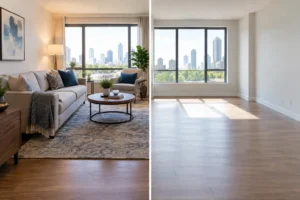
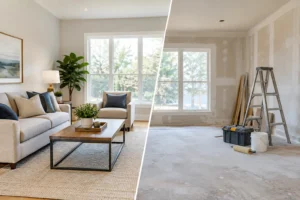
Organizing creates clarity. Staging builds the emotional connection that helps buyers fall in love. Some homes need both, particularly occupied properties with challenging layouts, vacant homes that feel flat in photographs, or listings where existing furniture does not show the rooms at their best.
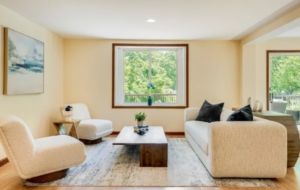
A professional eye can identify the difference between a room that is simply tidy and one that is strategically merchandised for sale. The right furniture scale can define an awkward living room. Intentional artwork and lighting can pull attention toward a fireplace, view, or architectural feature. A polished bed, dining setting, or reading area can turn unused square footage into a reason to make a stronger offer.
Set the Stage® approaches organizing and staging as complementary tools, tailored to how a property needs to perform. For a seller, that may mean editing an occupied home while preserving daily comfort. For an investor or builder, it may mean furnishing a vacant property so buyers can understand the lifestyle it offers from the first photograph.
Make the Home Feel Ready for Its Next Chapter
The best organized listings do not feel controlled or generic. They feel possible. Buyers can imagine bringing in their own routines, hosting friends, setting down groceries, and ending the day in a comfortable living space that already makes sense.
Begin with one room, one category, and one clear decision at a time. Every surface you clear and every pathway you open gives buyers a better view of the home you are asking them to choose.