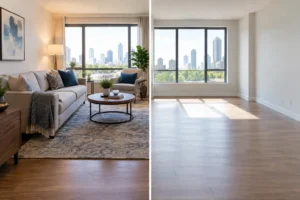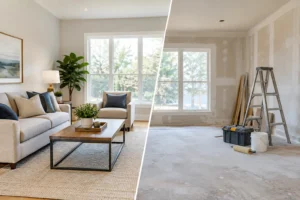

A buyer is standing in the doorway of a vacant living room, looking at bare walls, an awkward fireplace, and an undefined corner. They are not just evaluating square footage. They are trying to picture Friday night dinners, a comfortable place to unwind, and whether this home feels worth pursuing. That emotional calculation is where staging can increase offers – not by changing the property itself, but by making its best qualities instantly visible.
For sellers, agents, builders, and investors in Union, Essex, and Morris Counties, presentation is a business decision. A well-priced home still needs to compete against polished listing photos, renovated inventory, and buyers with limited time. Strategic staging gives the property a clearer story, stronger first impression, and a more compelling reason for buyers to act.
Why staging can increase offers
An offer is rarely based on a spreadsheet alone. Buyers assess condition, layout, lifestyle, and perceived value within minutes of arriving. When a home looks unfinished, crowded, dated, or difficult to understand, buyers often begin mentally subtracting. They may assume more work is needed than is actually required, question room sizes, or plan a lower offer to account for uncertainty.
Staging replaces that uncertainty with direction. It shows buyers where a dining table belongs, how a spare bedroom can function, and why an open area is a useful entertaining space rather than wasted square footage. It can make a property feel move-in-ready, a phrase that carries real weight when buyers are comparing several homes in one weekend.
The goal is not to disguise defects or create an unrealistic lifestyle. Smart staging draws attention to genuine strengths: natural light, ceiling height, architectural details, flow, storage, outdoor access, or a flexible floor plan. When buyers understand the value quickly, they are more likely to see the home as a desirable opportunity rather than a project requiring concessions.
The offer-quality advantage
More buyer interest does not automatically guarantee a higher sale price. Market conditions, pricing strategy, location, property condition, and financing all matter. Still, staging can improve the conditions that often lead to stronger offers: better online engagement, more productive showings, emotional attachment, and a greater sense of competition.
A staged home photographs with purpose. Rooms have scale, visual balance, and a focal point. That matters because listing photos frequently create the first showing before a buyer ever schedules an appointment. If the photos stop the scroll, the property earns more attention. If the home delivers on that visual promise in person, buyers may be less inclined to wait, negotiate aggressively, or move on to the next option.
Offer quality also extends beyond price. A serious, well-prepared buyer may present cleaner terms, fewer contingencies, a stronger deposit, or a faster closing timeline. Staging cannot control contract terms, but it can help attract buyers who view the property as a home they do not want to lose.
Emotional connection changes the conversation
Empty rooms can be difficult to read, especially when proportions are unusual. Buyers may underestimate a living room because there is no furniture to establish scale. They may walk past a small dining area without realizing it can comfortably host a table. In an occupied home, personal belongings and oversized furnishings can create the opposite problem, hiding usable space.
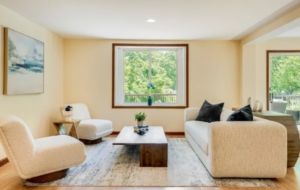
Thoughtful furniture placement solves both issues. A tailored sofa arrangement can make a room feel generous and inviting. A carefully styled bed can turn an overlooked bedroom into a personalized sanctuary. A compact desk can show how a bonus area supports remote work without suggesting the room has only one use.
Those details are not decoration for decoration’s sake. They give buyers a visual shortcut to the life they could have in the home. When that feeling is present, buyers tend to discuss possibility. When it is absent, they tend to discuss cost, inconvenience, and what needs to change.
Which homes benefit most from staging?
Nearly every listing can benefit from stronger presentation, but the right scope depends on the property, target buyer, timeline, and budget. A consultation may be enough for a well-maintained occupied home with good furnishings and a seller willing to edit, organize, and refresh key rooms. A vacant listing usually requires more support because every room must communicate purpose without the help of existing furniture.
Staging is especially valuable for homes with open-concept layouts, challenging room shapes, dark interiors, outdated finishes, or long days on market. It is also useful for inherited properties, flips, new construction, condos, and luxury listings, where buyers expect a polished experience and have multiple choices.
For builders and developers, model-home-style furnishing helps prospects understand the intended lifestyle from the first walk-through. For investors and property managers, furnishing a rental or short-term stay can reduce the visual gap between an empty unit and a bookable, livable space. The strategy changes, but the performance objective remains the same: make the property easier to choose.
What strategic staging looks like
Effective staging begins with the buyer, not the furniture. A family-oriented suburban home, a downtown condo, and a high-end investment property should not receive the same visual treatment. The design should reflect the price point, architecture, neighborhood, and buyer expectations while still feeling fresh, current, and broadly appealing.
The strongest plans typically focus on the rooms that influence decisions most: the entry, living room, kitchen, dining area, primary bedroom, and key flex spaces. These spaces set the tone for the showing and appear most often in listing photography. Secondary rooms matter too, but they should support the story rather than dilute the budget.
Color, texture, lighting, art, and accessories create warmth, yet restraint matters. Too much styling can feel busy. Too little can make a home feel cold. The most effective spaces look elevated but believable, polished but comfortable. Buyers should feel they are walking into a home, not a showroom they cannot live in.
What staging cannot fix
Staging is powerful, but it is not a substitute for pricing, repairs, cleaning, or a sound marketing plan. A home with a roof issue, noticeable odors, deferred maintenance, or an unrealistic list price will still face resistance. In fact, polished staging can make unaddressed problems more apparent if the fundamentals have been ignored.
That is why the best pre-listing plan combines preparation and presentation. Repair what buyers will notice. Deep clean. Organize closets and storage areas. Address paint, lighting, and curb appeal where appropriate. Then stage the home so its strongest features lead the experience.
Sellers should also avoid assuming every room needs a complete redesign. The right investment depends on the likely return, the competition, and how much the existing environment is helping or hurting the sale. A professional staging consultation can identify the upgrades most likely to matter before time and money are spent in the wrong places.
Timing matters as much as design
Staging works best when it is part of the listing launch, not a response after weeks of weak activity. The first days on market often bring the highest level of attention from buyers and agents who have been waiting for new inventory. Strong photography and a memorable first showing help make that window count.
For occupied sellers, planning ahead reduces stress. This may include editing furniture, packing personal items early, arranging temporary storage, and preparing for a staged installation before photography. For vacant homes, staging should be scheduled to align with cleaning, repairs, photography, and listing activation. The goal is a coordinated debut, not a rushed finish.
Set the Stage® approaches this work as both design and merchandising. The right furnishings, placement, and finishing details help a property feel intentional from the front door to the final listing photo, giving buyers a reason to linger and agents a stronger asset to market.
A buyer does not need to remember every accessory in a staged room. They need to remember how confidently the home made them feel. Give them a space that is easy to understand, inviting to imagine living in, and polished enough to feel worth a strong offer.