
A listing gets only a few seconds to create a feeling. Before a buyer reads the square footage, studies the disclosures, or schedules a showing, they see the photos and decide whether the property feels like a place they want to live. This property presentation guide is built for sellers, agents, investors, and property managers who want that first impression to work harder.
Presentation is not about making a home look decorated for decoration’s sake. It is a sales strategy. The right furnishings, lighting, scale, and styling help buyers understand how a room lives, imagine their own routines there, and feel that the property is cared for and move-in-ready. That emotional connection can lead to stronger showings, more confidence, and better offers.
Start With the Property’s Sales Story
Every successful presentation begins with a clear point of view. A renovated Maplewood colonial, a new-construction townhome, a compact condo near transit, and a short-term rental in Morris County should not be styled the same way. Each property has a different buyer, a different price point, and a different promise.
Ask what makes the home memorable. It may be abundant natural light, an oversized kitchen, a finished lower level, a private outdoor area, or a flexible home office. The presentation plan should make those features immediately visible rather than competing with them.
For a listing, the goal is usually broad appeal with a polished point of difference. For a rental, the goal may be to demonstrate practical comfort, storage, and the lifestyle tenants can expect. For a model home or furnished apartment, the priority is often consistency across multiple units while giving prospects a compelling reason to act now. The furnishings should support the business objective, not follow a one-size-fits-all design trend.
Make Rooms Easy to Understand
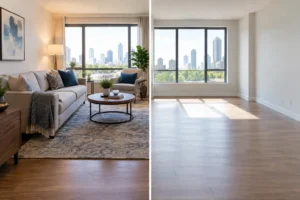
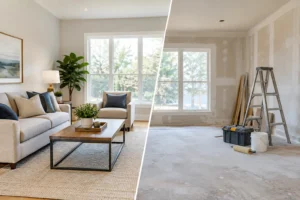
Empty rooms can appear smaller than they are, while crowded rooms leave buyers guessing where their furniture will fit. A well-presented property removes both problems. It gives each space a clear use and establishes a natural path through the home.
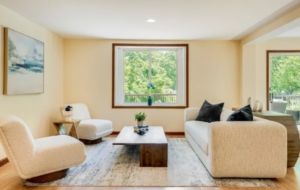
In a living room, that may mean a properly scaled sofa, comfortable accent chairs, a rug that anchors the seating area, and art that draws the eye upward. In a dining room, a table and chairs show that the room can actually host people. In an awkward bonus room, a desk, reading chair, or media setup can turn uncertainty into a valuable use case.
Bedrooms deserve the same attention. Buyers respond to a bedroom that feels restful and generously proportioned, not one dominated by a mattress, laundry basket, or mismatched furniture. Layered bedding, restrained accessories, and balanced bedside lighting create a personalized sanctuary without making the space feel too personal.
The trade-off is restraint. A room should feel complete, but it should not feel staged beyond reality. Oversized accessories, tightly packed furniture, and too many decorative moments can make a property feel smaller and distract from its architecture. Good staging edits as much as it adds.
Prepare Occupied Homes Before Styling
Occupied homes can photograph and show beautifully, but they require a different approach than vacant properties. The family calendar on the refrigerator, a collection of pet supplies, and furniture accumulated over many years can dilute the home’s strongest features. This is not a judgment on how someone lives. It is a shift from living in a home to marketing it.
Begin by clearing surfaces and removing personal items that pull attention away from the space. Family photos, refrigerator magnets, bathroom toiletries, excess countertop appliances, and heavily themed décor are common distractions. Closets, pantries, and storage areas should also be edited because buyers open doors and assess capacity.
Then evaluate furniture placement. Many homeowners arrange rooms around daily habits, television viewing, or inherited pieces. A sales-focused layout may call for removing a chair, relocating a large sectional, or borrowing a table from another room to create better flow. The aim is to make the home feel generous, functional, and easy to picture as someone else’s next chapter.
Prioritize the Rooms That Sell the Experience
Not every room needs the same level of investment. If budget or timing is limited, focus first on the spaces that carry the most visual and emotional weight: the entry, living room, kitchen, dining area, primary bedroom, and main outdoor living space.
The entry sets the tone. Even a small foyer can feel intentional with a slim console, mirror, artwork, or a tailored rug. The living room often drives the online click because it is usually one of the first images buyers see. The kitchen should look bright, spacious, and ready for real life, with counters cleared and a few thoughtful finishing touches rather than a crowded display.
A primary bedroom helps buyers imagine comfort at the end of the day. Outdoor areas have become equally important, particularly when they can be positioned as an extension of the home’s entertaining or relaxation space. A simple seating arrangement can make a patio, deck, or balcony feel like an amenity rather than an unfinished afterthought.
Secondary rooms matter when they solve a common objection. If a basement is dark, staging it as a lounge or playroom gives it a purpose. If a third bedroom is small, a refined office or nursery may show its potential better than forcing in a full bedroom set.
Build a Photo-First Presentation Plan
Most buyers encounter the listing online before they ever step inside. That means presentation should be planned for the camera, not just the open house. Professional photography can only capture what is in front of the lens. It cannot make clutter disappear, correct poor scale, or create an emotional focal point where none exists.
Before photography, walk through every room at camera height. Check sightlines from the doorway, remove cords and small clutter, open blinds where privacy allows, and make sure lamps and overhead fixtures are functioning. Replace burned-out bulbs and choose consistent light temperatures so rooms do not appear patchy or yellow in photos.
Color matters, but not in the way many people think. Neutral foundations tend to photograph well because they create a clean backdrop. Strategic color through pillows, art, greenery, and textiles adds warmth and visual interest. The goal is not to erase personality. It is to create a polished setting where a wide range of buyers can picture their own style.
For vacant homes, professional staging is especially powerful because it turns a collection of empty rooms into a story. The right inventory can establish scale, highlight architectural features, and make every photo feel more inviting. Set the Stage® approaches this as visual merchandising with a real estate outcome in mind: help the property stand out, show better, and motivate action.
Don’t Forget the Details Buyers Feel
Presentation is sensory, even when the first touchpoint is digital. Buyers notice whether a home feels bright, clean, quiet, and cared for. They notice worn rugs, damaged walls, unpleasant odors, and inconsistent finishes. These details can create doubt before a buyer consciously identifies why.
Address straightforward repairs before styling: touch up paint, tighten loose hardware, replace dated or damaged light fixtures when appropriate, and clean windows, floors, grout, and baseboards. Fresh towels, crisp linens, and a welcoming scent can improve an in-person showing, but fragrance should be subtle. Strong candles or air fresheners can raise concerns that something is being covered up.
Curb appeal belongs in the presentation plan, too. The front door, house numbers, landscaping, porch light, and entry path tell buyers what to expect inside. A clean, welcoming exterior supports stronger listing photos and gives every showing a better start.
Match the Investment to the Opportunity
There is no single staging formula because the right level of presentation depends on the property, local competition, timeline, and price range. A seller preparing a luxury listing may benefit from full-property staging and detailed styling. A homeowner with a well-furnished property may need a consultation, editing plan, and targeted accessories. An investor with multiple units may need a repeatable furnishing package that improves leasing speed and guest appeal.
The expensive choice is not always the best choice, but under-presenting a property can be costly as well. Price reductions, prolonged vacancy, and stale listing status can quickly outweigh the upfront investment in preparation. Consider presentation as part of the marketing budget and evaluate it against the outcome you need: faster sale, stronger offer quality, reduced vacancy, or higher booking potential.
A well-presented property gives buyers fewer reasons to hesitate and more reasons to picture themselves at home. Start early, make every room earn its place in the story, and let the listing show buyers not just where they could live, but how good life there could feel.