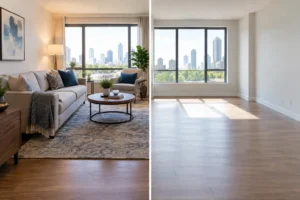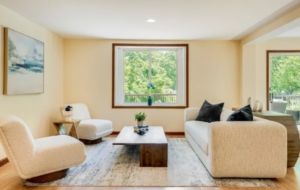
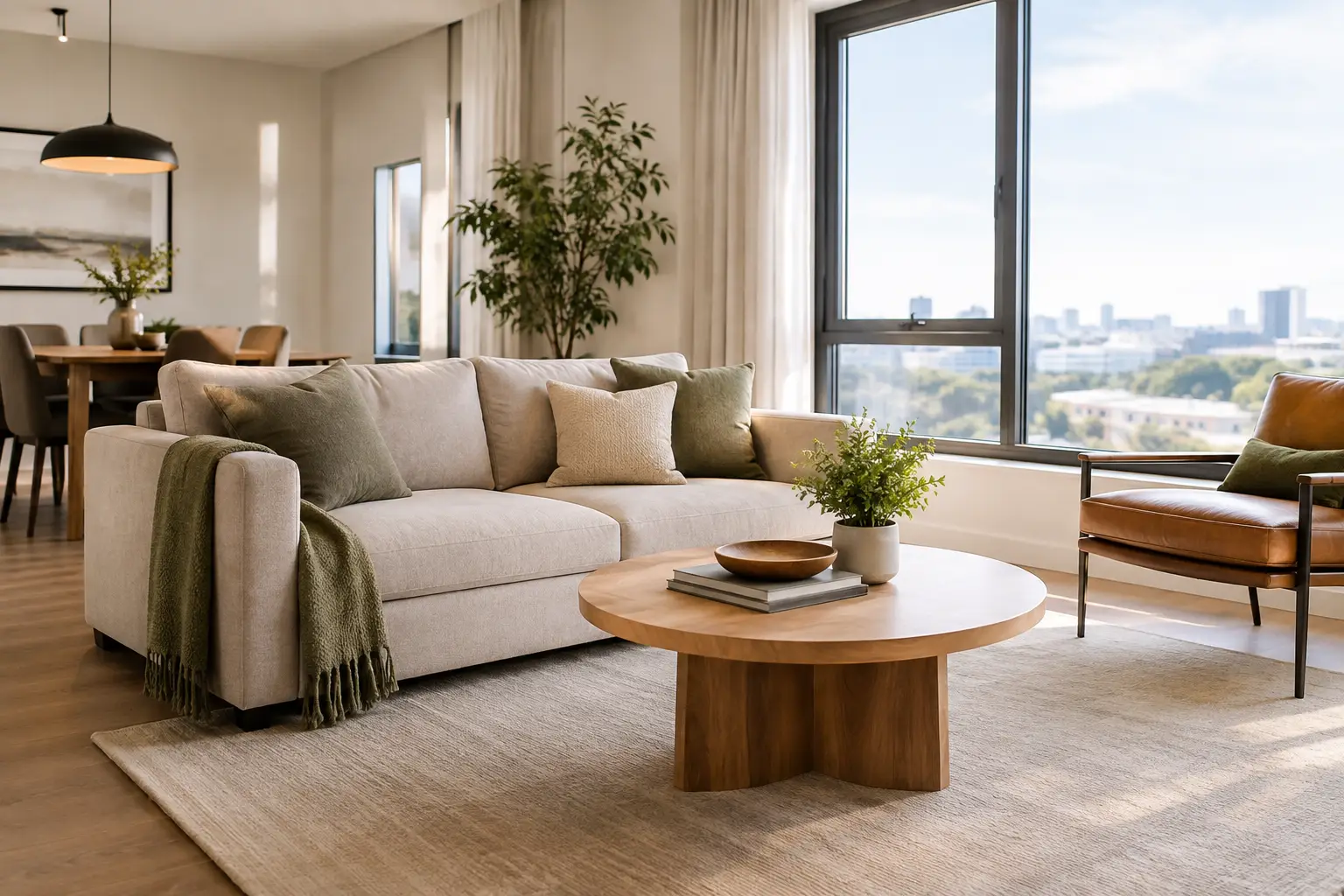
A vacant living room can make 900 square feet feel surprisingly small. An overfilled one can hide the features a buyer should notice first. Strategic interior furnishing solves both problems by giving each room a clear purpose, a comfortable scale, and the polished, move-in-ready feeling that helps people picture themselves living there.
For property owners, agents, builders, and managers in Union, Essex, and Morris Counties, furnishing is not simply the final decorative layer. It is a performance decision. The right furniture plan can improve listing photos, create a stronger emotional connection at showings, shorten vacancy periods, and support the value story behind a sale price, lease rate, or nightly booking.
Interior Furnishing Is a Business Strategy
People do not experience a property as a floor plan. They experience it room by room, through a series of quick emotional judgments: Does this feel welcoming? Is there enough space? Can I work here, host here, rest here, or imagine my family here?
Thoughtful furnishing answers those questions before a prospective buyer or tenant has to ask. A dining area becomes a place for conversation rather than an empty rectangle. A spare bedroom becomes a guest suite, nursery, or productive home office. An awkward corner becomes a reading nook or a compact workspace instead of unused square footage.
That clarity matters because buyers and renters are often comparing multiple properties in one day. The listing with a warm, intentional visual story is more likely to stay memorable. It also photographs with greater depth and scale, which can earn the attention needed to get people through the door in the first place.
For a seller, the goal may be stronger offers and fewer days on market. For a landlord or property manager, it may be faster leasing and lower vacancy. For a short-term rental owner, it may be better reviews, more bookings, and a rate that reflects a more elevated guest experience. The furnishing approach should change with the goal.
Start With the Property’s Most Valuable Story
A successful furnishing plan does not begin by choosing a sofa. It begins by identifying the property’s most compelling promise.
A renovated colonial may need to balance historic character with fresh, current living. A downtown apartment may need to emphasize flexibility, storage, and easy entertaining. A new construction home may need furnishings that add warmth and personality to pristine but visually empty rooms. A vacation rental may need durable, inviting pieces that make guests feel cared for from the moment they arrive.
The strongest rooms lead the story. In many homes, that means the living room, kitchen, primary bedroom, and outdoor space. In a compact condo, it may be the open-concept living area and the view. In a commercial setting, it could be the reception area, model unit, resident lounge, or shared workspace.
Before furniture is selected, consider who needs to fall in love with the space and what they need to see. A family buyer may respond to a generous dining setup and an organized mudroom. A young professional may be drawn to a sophisticated work-from-home zone. An investor evaluating furnished rental potential may care most about sleep capacity, durability, and a distinctive look in online photos.
Furnish for Scale, Flow, and Real Life
The best interior furnishing makes a property look more spacious without making it feel bare. That balance comes from proportion.
Oversized furniture can obstruct paths and make rooms appear smaller. Furniture that is too small can leave a room feeling unfinished and make buyers question whether it has enough usable square footage. A properly scaled sofa, rug, dining table, and bed establish visual confidence. They show how the room functions while leaving enough open space for movement.
Give Every Room a Job
Undefined rooms often create hesitation. If visitors cannot tell what a space is for, they may see it as a problem rather than an opportunity. Furnishing can eliminate that uncertainty.
A finished basement can become a media lounge with a conversation area. A wide upstairs landing can become a study nook. A narrow bedroom can be presented as a thoughtfully designed office rather than a disappointing extra room. This does not mean forcing a use that feels unrealistic. It means showing the most natural, appealing possibility.
Design the Sightlines
The view from the entry matters. So does the view from the kitchen, hallway, or primary bedroom doorway. These are the moments that shape first impressions during a showing and determine whether a photo feels inviting or flat.
Place furnishings to guide the eye toward architectural strengths: a fireplace, oversized windows, built-in shelving, high ceilings, or a garden view. Avoid blocking natural light with heavy pieces. Use rugs, art, lighting, and accessories to create a visual rhythm that moves people comfortably through the home.
Layer Warmth Without Creating Clutter
A polished room needs more than furniture, but it should never feel like a showroom crowded with accessories. Texture is what makes a neutral room feel lived in and elevated: a tailored rug, pillows with contrast, natural wood, soft throws, and artwork that adds character without competing for attention.
The right amount of styling depends on the audience. A luxury listing can support more layered, editorial detail. A starter home or rental may benefit from a cleaner, simpler approach that makes maintenance and everyday living feel easy. In either case, edited styling nearly always outperforms clutter.
Different Properties Need Different Furnishing Plans
There is no universal furnishing formula because a property’s purpose determines its priorities.
Homes Being Sold
For an active listing, furnishings should make the home feel aspirational while remaining broadly appealing. The objective is to help buyers emotionally connect with the space, understand its scale, and imagine an upgraded version of their own life there. Neutral foundations with intentional color, modern lighting, and a few memorable moments often create the right balance.
Temporary staging can be especially effective for vacant properties or sellers who need a fast, high-impact presentation before photography and showings. Occupied homes may need editing, organizing, and selective additions rather than a complete furnishing plan.
Rentals, Model Units, and Short-Term Stays
For furnished rentals, the focus shifts from visual appeal alone to daily durability and guest comfort. Pieces should look elevated, but they also need to withstand turnover, cleaning, and repeated use. Storage, bedside lighting, comfortable seating, and practical surfaces matter as much as a photo-worthy living room.
Model homes and apartment units need to sell a lifestyle at scale. Their furnishings should reflect the likely resident while allowing the unit’s finishes, layout, and amenities to remain the focal point. In these settings, consistency across multiple units can reinforce the identity of the development.
Permanent Furnishing for New Homeowners
For homeowners moving into a new space, a turnkey furnishing plan can replace months of piecemeal shopping, delayed deliveries, mismatched finishes, and costly design mistakes. A designer-led approach creates a coordinated home that works from day one, from the main living spaces to the bedrooms, office, and outdoor areas.
This option is particularly valuable when timing matters. A buyer who has just closed may want to host family, begin remote work, or settle children into a comfortable routine without living among boxes and empty rooms for months.
The Value of a Turnkey Process
Furniture selection can become complicated quickly. Measurements, lead times, delivery windows, inventory availability, assembly, placement, art installation, and final styling all require coordination. When several vendors are involved, one delay can disrupt the entire schedule.
A professional furnishing partner manages the details as one connected project. At Set the Stage®, that process pairs design direction with sourcing, delivery, installation, and finishing touches so the property is ready to show, lease, host, or live in. Wholesale buying power and a broad furniture inventory can also create options that are difficult to access through traditional retail shopping alone.
The financial case depends on the property and intended use. Not every home needs a full furnishing package, and not every room needs to be styled. But when presentation directly affects buyer interest, rent potential, occupancy, or bookings, furnishing is often better evaluated as an investment in property performance rather than a simple expense.
Make the First Showing Feel Like a Yes
The goal is not to make every property look identical. It is to make the right people feel an immediate connection to what is possible there. A well-furnished space feels easy to enter, easy to understand, and hard to forget.
Whether you are preparing a listing, launching a rental, opening a model, or moving into a new home, start with the experience you want someone to have when they walk through the door. Then furnish every important room to make that feeling real.