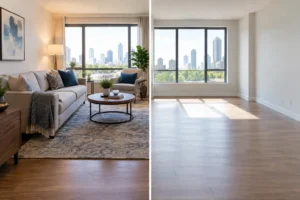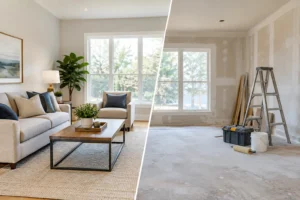
A vacant living room can look larger than it is, colder than it should, and far harder to imagine living in. That is the challenge furniture rental for home staging is designed to solve. The right furnishings give buyers a reason to pause, picture their routines, and feel that a property is ready for its next chapter.
For sellers, agents, builders, and investors across Union, Essex, and Morris Counties, staging is not simply a decorating decision. It is a sales strategy. It turns square footage into a lifestyle, gives listing photography the visual impact it needs, and helps a home compete when buyers are scrolling quickly through dozens of options.
Why Furnished Rooms Create Stronger Buyer Reactions
Buyers do not purchase an empty room. They purchase what the room could become: family dinners at the dining table, quiet mornings in a sunlit bedroom, a comfortable living space for entertaining, or a focused home office that makes hybrid work feel easy.
Empty rooms often leave too much work to the imagination. Without a sense of scale, buyers may misread a room’s proportions or struggle to understand how it functions. A carefully placed sofa, area rug, dining set, and artwork answer those questions before a buyer has to ask them. They establish traffic flow, demonstrate usable square footage, and create a polished emotional connection.
That connection matters from the first online impression through the showing and, ultimately, the offer. Strong staging makes a listing feel considered and cared for. It also gives agents a more compelling story to tell: not just three bedrooms and two baths, but a home that feels move-in-ready and memorable.
What Furniture Rental for Home Staging Includes
Professional staging furniture rental is a coordinated presentation, not a collection of random pieces delivered to a property. A staging team evaluates the home’s architecture, location, target buyer, listing price, and strongest selling features. Then it selects furniture and décor that make those features more visible.
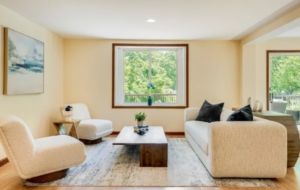
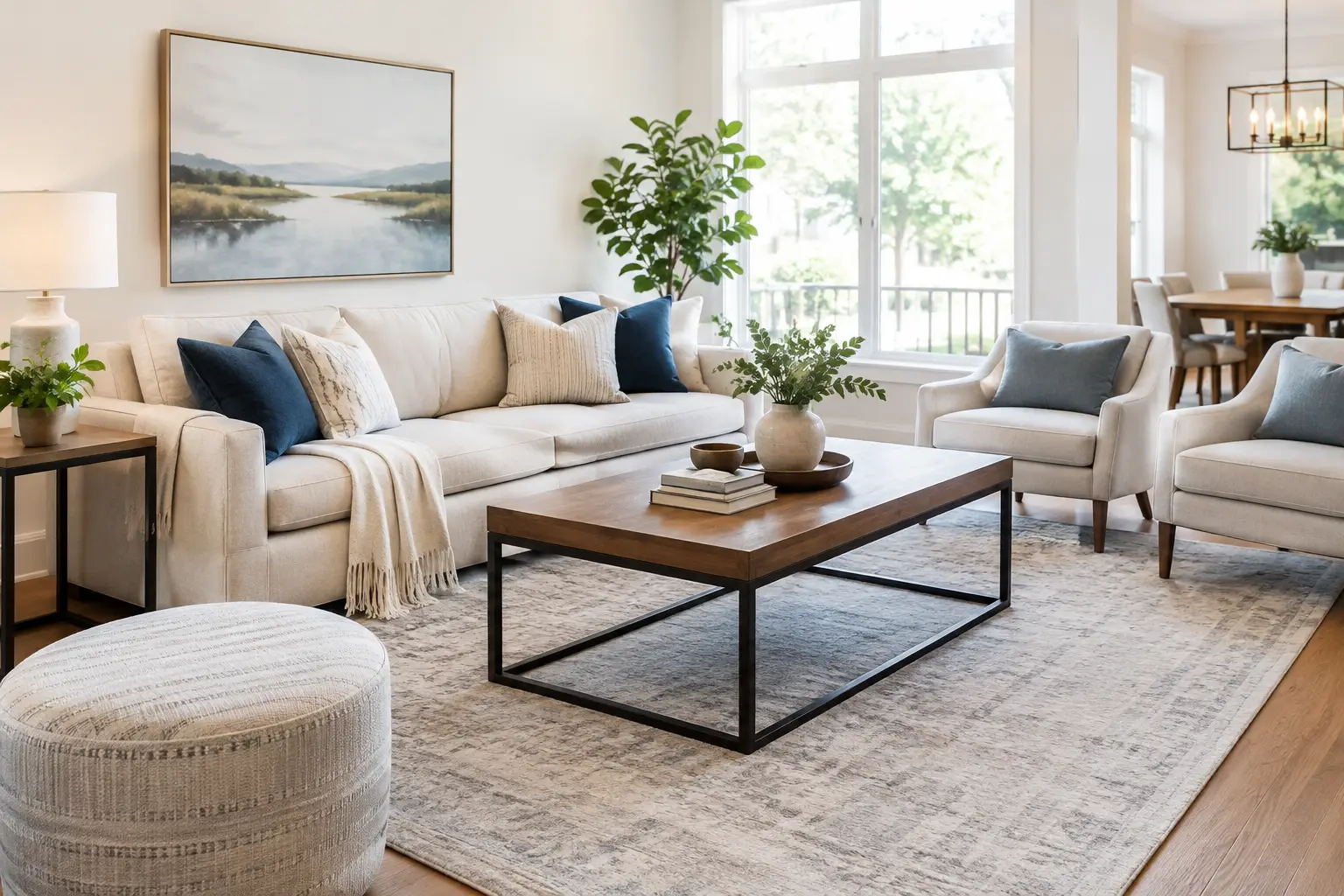
In a typical living room, that may mean a tailored sofa arrangement that frames a fireplace or directs the eye toward oversized windows. In a dining room, it may mean a table scaled correctly for the room, styled place settings, and lighting that makes the area feel ready for gatherings. Bedrooms often receive the greatest visual transformation because layered bedding, nightstands, artwork, and accessories create the calm, finished feeling buyers expect from a personal sanctuary.
The rental package can extend beyond the major rooms. Entryways, offices, finished basements, patios, and awkward flex spaces often deserve attention because each one can influence how buyers perceive value. A vacant bonus room may read as wasted space. Furnish it as a study, playroom, or guest suite, and it becomes a useful feature with a clear purpose.
At Set the Stage®, the approach pairs fresh, modern inventory with a sales-focused eye for merchandising. The goal is not to fill every corner. It is to create balanced, photo-worthy rooms that support how the property needs to perform in the market.
Rental Is Often Smarter Than Buying for a Listing
Buying furniture specifically for a sale can sound practical until sellers account for the details. They must source items, manage delivery schedules, assemble pieces, style the rooms, store everything after closing, and absorb the cost if the home takes longer to sell. The result can be more expense and more stress than expected.
Furniture rental shifts that burden to a professional team. The furnishings are selected for the property, delivered and installed on schedule, then removed when the staging term ends or the transaction closes. That is especially valuable for vacant homes, estate properties, flips, model units, and sellers who have already moved out.
Rental also provides better flexibility. A starter home in Maplewood, a luxury property in Short Hills, and a new construction townhome in Morristown should not be staged with the same visual language. A rental inventory allows the style, scale, and level of finish to match the buyer profile without requiring the seller to make permanent purchases.
There are exceptions. Owners furnishing a short-term rental, a model home intended for extended use, or a newly purchased residence may benefit from permanent furnishings instead. In those cases, a designer-led furnishing package can deliver a lasting result. For a property being marketed for sale, however, rental is usually the more efficient path to a high-impact presentation.
The Rooms That Most Affect Listing Performance
Every home is different, but buyers tend to form their strongest impressions in the spaces that define daily life. The entry establishes the tone. The living room demonstrates comfort and gathering potential. The kitchen and dining area reinforce entertaining value. The primary bedroom creates an emotional picture of rest and retreat.
Staging should prioritize those rooms before filling secondary spaces. A well-designed primary suite can make buyers fall in love with a home. A furnished office can validate a work-from-home lifestyle. An outdoor seating area can elevate a modest patio into an extension of the living space.
The key is purposeful editing. Oversized furniture, heavy window treatments, and too many accessories can make rooms feel smaller or distract from architectural details. Conversely, rooms that are too sparse can feel temporary and impersonal. Professional staging finds the middle ground: inviting, elevated, and believable without looking overdesigned.
How Timing Changes the Value of Staging
The best time to plan staging is before photography, not after a listing sits without traction. Photographs drive the first round of interest, and a staged property has a clearer opportunity to stand out in search results, social media marketing, brochures, and agent outreach.
For occupied homes, a pre-listing consultation can determine whether existing pieces can be edited, rearranged, supplemented, or replaced with rental furniture. This is often an effective option for sellers who have good foundational furniture but need a more current look, improved room flow, or objective guidance on decluttering.
For vacant homes, scheduling should begin as soon as the property is clean, repaired, and paint touch-ups are complete. Staging before professional photography ensures every marketing asset tells the same story from day one. It also prevents the costly cycle of relaunching a listing after weak initial photos or limited showing activity.
If speed is a concern, ask about installation timing early. A staging partner with an experienced team and ready inventory can coordinate around listing deadlines, contractor completion dates, and open-house plans. That operational detail can be just as important as the design itself.
Cost, ROI, and the Questions Worth Asking
Home staging is an investment, and the right budget depends on the size of the home, number of rooms, length of the rental term, property price point, and condition of the existing furnishings. The lowest quote is not always the strongest value. A limited package may leave the home’s most important rooms unsupported, while poorly scaled furniture can undermine the presentation entirely.
Instead, consider what the property needs to accomplish. Is it competing in a crowded market? Does it have an unusual layout that buyers need help understanding? Is it vacant, dated, or photographed poorly? Is the asking price high enough that buyers expect a refined experience? Those answers help determine whether a focused staging package or a broader whole-home approach makes sense.
It is also wise to ask what is included in the proposal. Clarify the installation, removal, rental duration, extensions, insurance requirements, and any financing options available. Sellers who prefer to preserve cash flow may find stage-now-pay-at-close programs especially useful, subject to eligibility and transaction terms.
The goal is not to promise that staging alone determines a sale. Pricing, location, property condition, market inventory, and marketing strategy all matter. But when those fundamentals are in place, professional furnishings can give a listing the visual advantage that brings more buyers through the door and helps them remember it afterward.
A Better Way to Present the Next Listing
Furniture rental for home staging gives a property a clear point of view. It makes rooms photograph with confidence, supports stronger showings, and removes much of the logistical pressure from sellers and agents. More importantly, it helps buyers see a home not as an empty address, but as a place where their life can take shape.
When a listing needs to earn attention quickly, every room should have a job. Let the furnishings do more than make the home look good – let them make the buyer want to stay.