A lived-in home can have everything a buyer wants and still lose momentum online. The family photos, oversized sectional, busy countertops, and half-finished projects that feel normal to an owner can make rooms look smaller, darker, or harder to imagine as someone else’s home. An occupied home staging consultation turns that disconnect into a clear, strategic plan – one designed to make a property photograph beautifully, show with confidence, and create the emotional connection that motivates stronger offers.
For sellers and agents in Union, Essex, and Morris Counties, this is not about stripping a home of personality or asking a family to live in a showroom for weeks. It is about presenting each room at its highest potential while keeping the process realistic for the people still living there.
What an Occupied Home Staging Consultation Covers
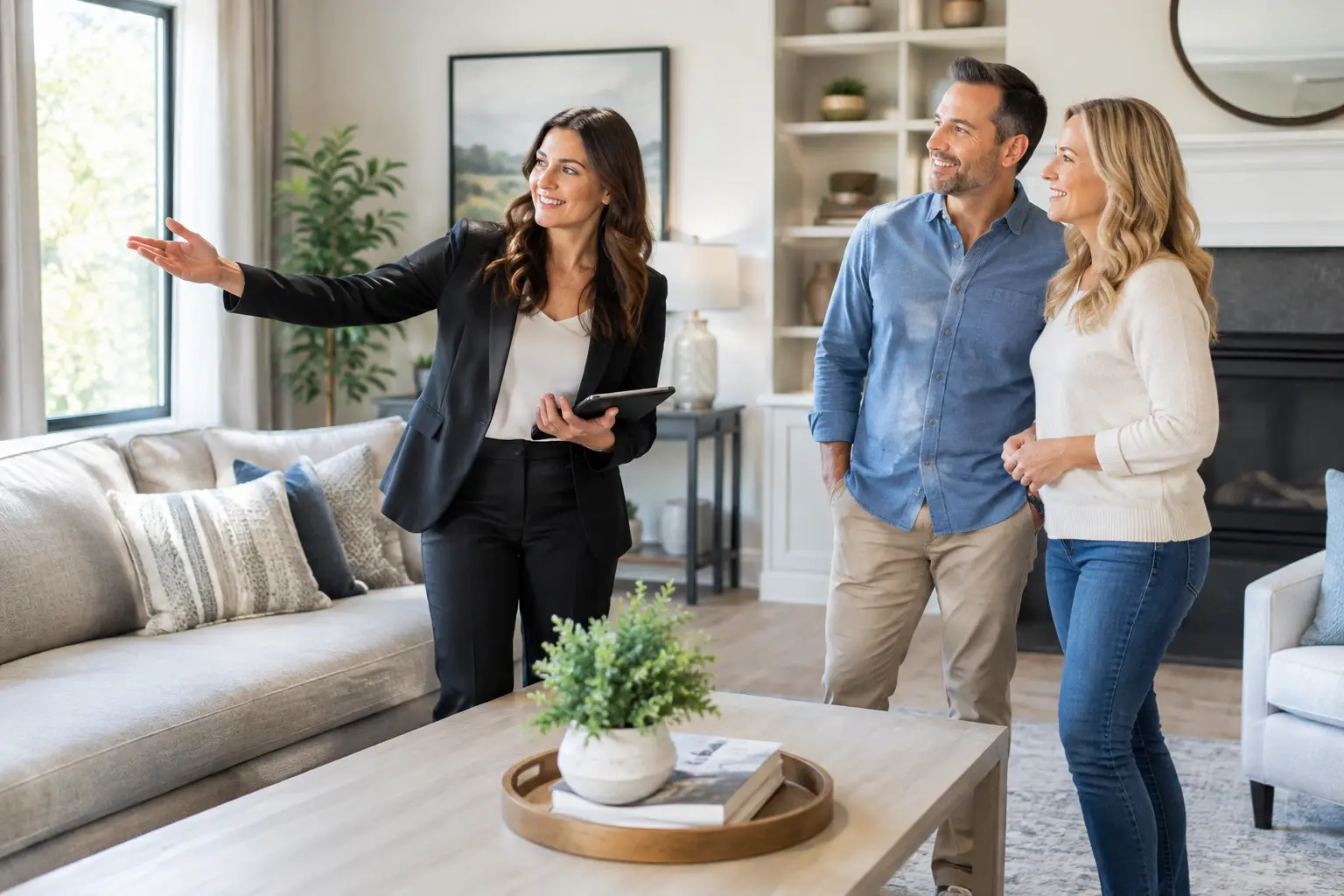
An occupied consultation is a professional walk-through of a property before it hits the market. A stager evaluates the home through a buyer’s eyes, considering first impressions, flow, scale, lighting, function, and how every space will read in listing photography and during showings.
The goal is not simply to make a room prettier. The goal is to help buyers quickly understand the value of the home. Can they see where they would gather, work, sleep, host, and relax? Does the layout feel generous? Does the home appear cared for, current, and move-in-ready?
A strong consultation produces room-by-room recommendations tailored to the property, its likely buyer, and the seller’s timeline. That may mean editing furniture to open up a living room, moving a dining table to clarify a multipurpose space, adding fresh bedding and pillows to make a primary suite feel like a personalized sanctuary, or replacing a few key pieces that are working against the sale.
The consultation begins with buyer perception
Buyers form opinions fast, often before they have fully entered the home. The front entry, main living area, kitchen, and primary bedroom carry particular weight because they shape the story of the property. A consultation identifies where that story is strongest and where visual distractions are interrupting it.
For example, a finished basement used for storage may be a valuable selling feature, but buyers may only see boxes and unfinished tasks. A stager can recommend a practical edit that reveals the square footage and defines a clear use, such as a media room, office, fitness area, or play space. The room does not need a costly renovation to feel purposeful. It needs a message buyers can understand at a glance.
It Is Strategic Merchandising, Not Decorating Advice
Homeowners often assume staging means buying a long list of new furnishings. Sometimes a few targeted updates make sense, especially in a dated or unusually configured room. But an occupied home staging consultation begins with what is already there.
The most effective changes are frequently edits: removing excess furniture, storing personal collections, clearing kitchen counters, simplifying wall décor, and creating breathing room around focal points. Less visual competition allows architectural features, natural light, flooring, and room dimensions to stand out.
That distinction matters. Decorating supports the owner’s personal taste and everyday routine. Staging supports the sale. A bold accent wall, treasured gallery wall, or large heirloom armoire may be perfectly right for the current homeowner, yet distract from the property’s broad market appeal. The consultation gives sellers a reasoned path forward without treating their home or belongings as a problem.
There are trade-offs. A seller with young children, pets, or a demanding work schedule may not be able to maintain a fully styled home every day. In those cases, the plan should prioritize high-impact spaces and create simple reset routines before photography and showings. The right strategy is one a seller can actually carry out.
What Sellers Can Expect During the Visit
A consultation is efficient, detailed, and focused on action. The stager moves through the property, assessing what buyers will see from the curb to the backyard. They consider furniture placement, traffic paths, color balance, window treatments, lighting, storage, surfaces, and the function of every visible room.
Sellers should expect candid recommendations delivered with respect. If a room feels crowded, the answer may be to remove several pieces rather than rearrange everything. If a bedroom has become a catchall, the recommendation may be to restore it as a bedroom so the listing supports its full bedroom count. If a dining room is being used as an office, it may need to return to dining for photos and open houses, depending on the buyer profile and the rest of the home’s layout.
Afterward, the seller and agent have a prioritized plan. The most urgent items are typically those that affect listing photos and first impressions: decluttering, cleaning, repairs, lighting, curb appeal, and furniture edits. Secondary recommendations can include accessory updates, new artwork, rental pieces, fresh linens, or partial staging for rooms that need added polish.
Better Photos Start Before the Photographer Arrives
Professional photography is often a buyer’s first showing. If a home feels cramped or unfinished in its online images, many buyers will scroll past before they ever learn about the renovated kitchen, desirable school district, or generous lot.
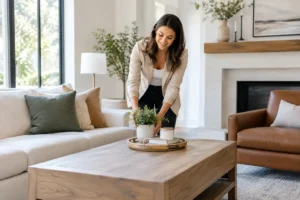
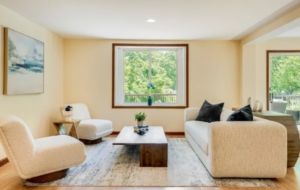
An occupied staging plan helps photography work harder. It defines a focal point in each room, reduces visual noise, and gives the camera enough space to capture scale. Beds are made with intentional layers, bathrooms are simplified to feel clean and spa-like, and counters are cleared so buyers notice the finishes instead of the daily routine.
This is especially valuable in competitive markets where several homes may share similar price points, square footage, or neighborhoods. A well-presented listing looks cared for and considered. It invites buyers to picture themselves moving in rather than calculating how much work they will need to do first.
When a Consultation Should Lead to Partial Staging
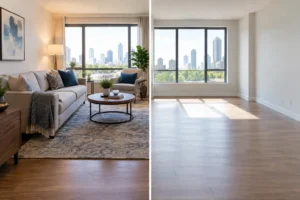
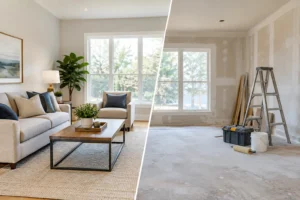
Some occupied homes need more than an action plan. A consultation may reveal that the seller’s furnishings are too large for the rooms, heavily worn, inconsistent in style, or missing pieces needed to define important areas. In these situations, partial staging can provide the lift without requiring the home to be completely vacant.
A polished dining set can make an empty dining room feel like a place for celebrations. A properly scaled seating arrangement can transform an awkward living room into a comfortable living space. A furnished office can help buyers see flexibility in a spare bedroom or loft.
The decision depends on the property, price point, competition, and condition of the existing furnishings. A move-in-ready colonial may only need editing and accessories. A luxury listing, new construction home, or property with challenging proportions may benefit from professional furniture and décor in the most visible spaces. The consultation helps determine where that investment is likely to make the greatest impact.
A Valuable Tool for Agents and Sellers
For agents, an occupied consultation creates alignment before a listing goes live. Instead of having a vague conversation about “decluttering,” the seller receives specific guidance tied to buyer behavior and marketing performance. That makes preparation easier to manage and helps prevent last-minute frustration before photos or the first open house.
For sellers, it replaces uncertainty with a focused checklist. They can decide what to tackle themselves, what to outsource, and where professional staging will create the biggest visual return. They also gain a clearer understanding of why certain changes matter – not because their home is inadequate, but because buyers need room to fall in love with its possibilities.
Set the Stage® approaches occupied properties with that balance of design expertise and real estate strategy. The objective is always a more polished, photo-worthy presentation that supports a faster sale, stronger buyer interest, and a confident launch.
How to Prepare for Your Consultation
You do not need to pre-stage the home before the stager arrives. In fact, seeing the space as it is typically lived in helps identify the right priorities. It is helpful, however, to share the anticipated list date, asking price range, planned photography date, and any known buyer feedback if the property has already been on the market.
If there are rooms you are unsure how to use, mention them. If certain furnishings must stay because of daily needs, say so. A consultation works best when the plan accounts for real life as well as real estate. The final result should feel elevated, welcoming, and achievable from photo day through the last showing.
The right staging advice does more than tidy a home for sale. It gives every room a job, every photo a purpose, and every buyer a clearer reason to imagine calling the property home.