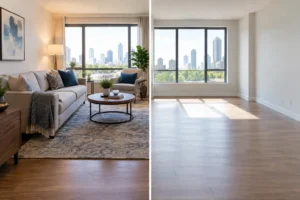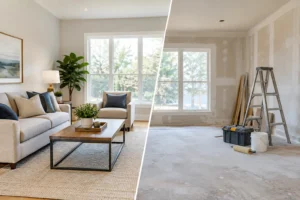
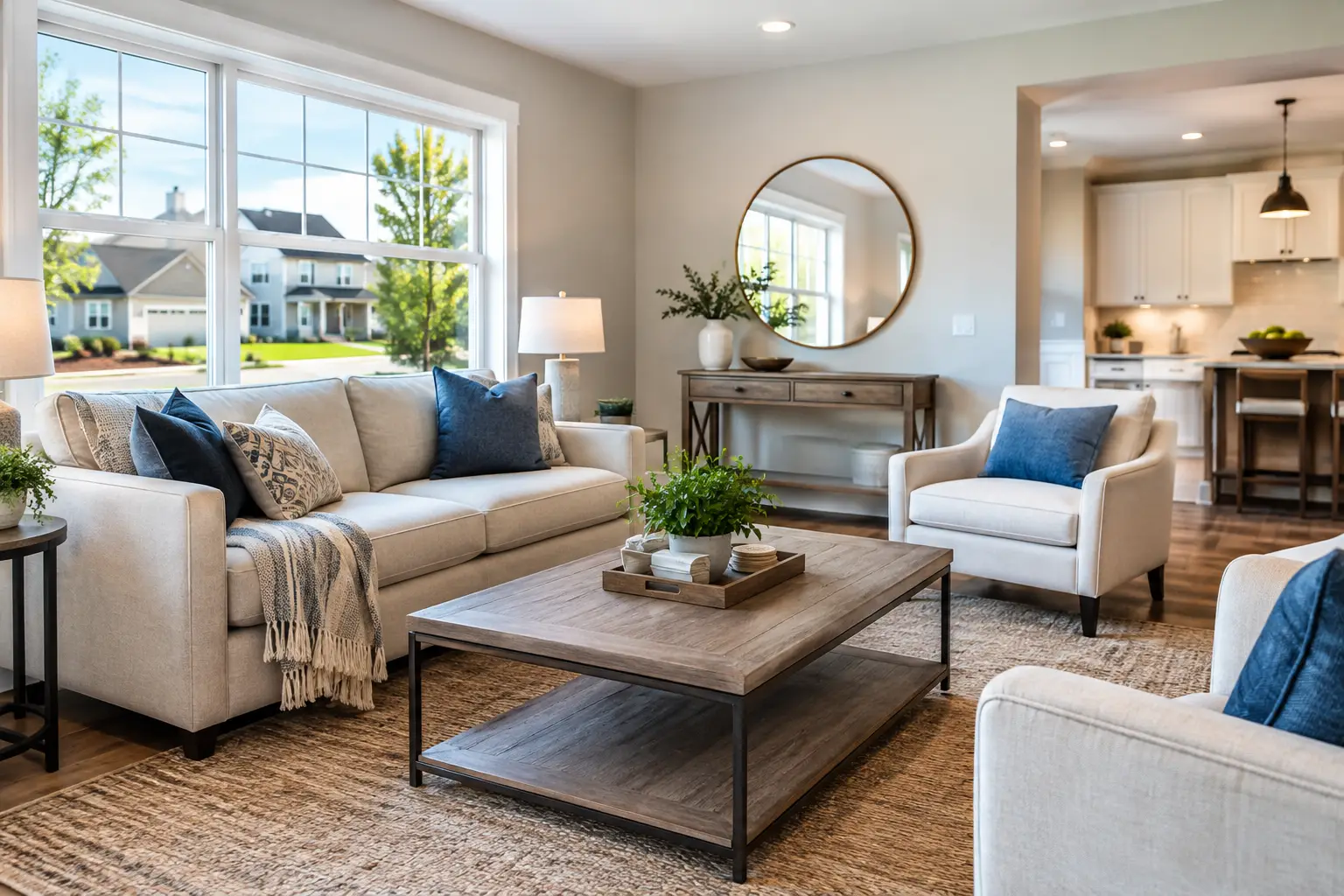
A vacant living room can be beautifully renovated and still leave buyers cold. An occupied home can be spotless and still feel crowded, overly personal, or difficult to photograph. Home staging solves that gap between a property’s condition and its perceived value by showing buyers how a home can live.
For sellers, agents, builders, and investors in Union, Essex, and Morris Counties, presentation is not a finishing touch. It is part of the sales strategy. The right furnishings, scale, color, and layout can make a listing feel larger, brighter, more current, and ready for its next chapter before a buyer ever walks through the door.
What Home Staging Really Does
Home staging is the strategic preparation of a property for sale. It combines furniture, accessories, styling, organization, and visual merchandising to create rooms that photograph beautifully and connect with the way buyers want to live.
That distinction matters. Staging is not about filling every room or imposing a designer’s personal taste. It is about making smart visual decisions that help a wide range of potential buyers understand the home quickly. A staged primary bedroom should feel like a peaceful retreat. A staged dining area should suggest relaxed gatherings without looking formal or fussy. A staged home office should make remote work feel possible, even when the room is compact.
The goal is emotional clarity. Buyers should not have to guess whether a room fits a sectional, where they would eat, or how an awkward corner might function. When each space has a confident purpose, the property feels more complete and more valuable.
Why First Impressions Affect Offers
Most buyers meet a listing on a screen. They scroll through photos, compare layouts, save favorites, and decide which homes deserve a showing. If the images feel dark, empty, cluttered, or inconsistent, a strong property can lose momentum before the first open house.
Staging gives a listing a visual advantage. It creates focal points for photography, adds depth to wide shots, and helps online viewers read the dimensions of a room. A properly scaled sofa, rug, bed, or dining table gives buyers an immediate frame of reference that bare walls cannot provide.
Once buyers arrive, the experience continues. A polished, comfortable living space encourages them to slow down and imagine themselves there. They notice the fireplace rather than the empty wall around it. They see a breakfast nook instead of an undefined corner. They can picture weekends, guests, workdays, and routines.
That emotional connection does not guarantee a specific sale price, and market conditions always matter. Location, inventory, property condition, and pricing still shape results. But staging strengthens the part of the process sellers can control: how the home is perceived when attention is highest.
Vacant Homes Need More Than Empty Rooms
Vacant properties are often the clearest case for professional staging. Without furniture, rooms can feel smaller than they are. Open-concept areas lose their natural boundaries. Buyers may focus on minor flaws simply because there is nothing else guiding their attention.
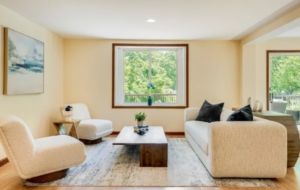
A staged vacant home gives every important area a job. The entry feels welcoming rather than transitional. The living room has balance and proportion. Secondary bedrooms can become a guest room, nursery, or flexible workspace based on likely buyer needs. These choices help a property feel finished rather than unfinished.
For builders, flippers, and developers, this is especially valuable. After investing in renovations, flooring, lighting, kitchens, and bathrooms, leaving the property empty can undercut the full impact of that work. Modern furnishings and layered décor help buyers see the lifestyle behind the upgrades.
Staging also brings consistency to new construction and model-home marketing. When several homes share a similar footprint, a memorable interior presentation can make one residence stand apart. It gives prospective buyers something tangible to talk about after they leave.
Occupied Home Staging Is About Editing, Not Erasing
Sellers sometimes assume staging means moving out or replacing everything they own. Often, occupied home staging begins with a thoughtful edit. Personal collections, oversized furniture, excess storage pieces, and everyday clutter can make a room feel less spacious or distract from its best features.
A professional walkthrough identifies where existing furnishings are helping the sale and where adjustments will create more impact. Sometimes the answer is rearranging furniture to improve flow. Other times, it means bringing in a few key rental pieces, fresh bedding, artwork, lighting, or accessories to elevate high-visibility rooms.
The most effective approach depends on the home, timeline, budget, and target buyer. A well-maintained contemporary home may need only strategic styling and organizing. A larger traditional property or dated listing may benefit from more substantial furnishings to create a cohesive, current look.
The process should feel manageable, not overwhelming. Sellers are already coordinating repairs, inspections, moving plans, and paperwork. Clear recommendations and hands-on execution turn preparation into a focused plan rather than a long list of unfinished tasks.
The Rooms That Carry the Most Weight
Not every room needs the same level of investment. Buyers tend to respond most strongly to the spaces that shape daily life and define the home’s overall feeling: the entry, living area, kitchen, dining space, primary bedroom, and outdoor entertaining areas.
The entry sets the tone in seconds. It should feel open, intentional, and easy to navigate. In the main living space, furniture placement should highlight the room’s architecture while allowing buyers to move comfortably through it. A rug that is too small or seating pushed tightly against walls can make even a generous room feel disconnected.
Bedrooms matter because they sell comfort. Fresh bedding, balanced nightstands, soft lighting, and a calm color palette can transform an ordinary room into a personalized sanctuary. In a primary suite, the feeling should be elevated but approachable – polished enough to feel special, never so stylized that buyers cannot imagine adding their own life.
Outdoor spaces deserve the same consideration. A small patio with café seating, a deck arranged for conversation, or a pool area styled for relaxed entertaining expands the property’s lifestyle appeal. In New Jersey’s competitive market, usable outdoor space can be a meaningful differentiator.
Staging Is a Sales Tool, Not a Decorating Project
The best staging decisions are rooted in buyer behavior. A bold wall color may be beautiful, but it can limit broad appeal. A dramatic piece of furniture may photograph well, but it cannot overwhelm the room or create confusion about scale. Every choice must work together to make the property feel aspirational and believable.
That is why staging requires both design knowledge and real estate awareness. The property needs to appeal to the buyer pool most likely to purchase it, whether that is a first-time buyer seeking a turnkey condo, a family looking for functional gathering spaces, or a luxury buyer expecting a refined, move-in-ready experience.
It also requires speed. Listings often have tight timelines, especially when a seller is preparing for photography, an agent is coordinating a launch, or a builder needs a model ready for traffic. A full-service staging partner can manage furniture selection, delivery, installation, styling, and removal, keeping the process efficient while protecting the visual standard.
A Smart Investment Before the Listing Goes Live
The cost of staging should be considered alongside the cost of sitting on the market. A home that receives less attention, requires repeated price adjustments, or remains vacant for weeks can create expenses and missed opportunities that extend beyond the initial listing period.
Staging is not a substitute for accurate pricing, necessary repairs, or strong marketing. It works alongside them. Think of it as the visual foundation that allows professional photography, listing copy, open houses, and agent outreach to perform at their best.
For sellers concerned about upfront expenses, flexible options such as stage-now-pay-at-close financing can make professional presentation more accessible. The right solution should match the scope of the property and the seller’s transaction goals, not force every listing into the same package.
Set the Stage® approaches each project with that practical lens: create a home buyers can immediately understand, remember, and want to make their own. Whether the property is vacant, occupied, newly renovated, or part of a larger development, the work begins with the same question: what will make the right buyer fall in love at first sight?
Before scheduling photography or opening the door for showings, take one honest walk through the property from a buyer’s perspective. If a room feels unclear, cold, cramped, or forgettable, that is not a reason to worry. It is an opportunity to shape a stronger first impression.