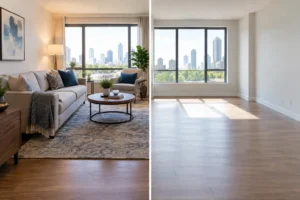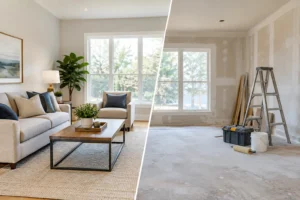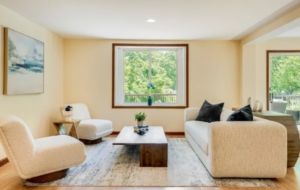

When selling a home, first impressions matter more than ever. Today’s buyers often form opinions about a property within moments of viewing listing photos or stepping through the front door. Effective home staging helps create an emotional connection, allowing buyers to envision themselves living in the space rather than focusing on the current owner’s lifestyle.
For homeowners throughout New Jersey communities such as Scotch Plains, Westfield, Springfield, Berkeley Heights, Livingston, Short Hills, Summit, Florham Park, Madison, Millburn, Morristown, Montclair, and South Orange, strategic home staging can be a powerful tool for attracting buyers and maximizing a property’s appeal.
In fact, according to the National Association of REALTORS® (NAR), 83% of buyers’ agents said staging a home made it easier for buyers to visualize the property as their future home, while 21% of sellers’ agents reported staging all sellers’ homes before listing them for sale.¹ These findings reinforce what experienced staging professionals have known for years: presentation matters.
Whether you’re preparing a luxury estate in Short Hills, a historic home in Montclair, or a family residence in Westfield, following these home staging do’s and don’ts can help position your property for success.
First, Declutter Spaces
One of the most important aspects of professional home staging is decluttering. Buyers want to see spacious, organized rooms that feel clean and move-in ready. Clutter distracts from a home’s architectural features and can make even generously sized rooms appear smaller.
Start by removing unnecessary items from countertops, bookshelves, side tables, and storage areas. Consider packing away items you will not need during the selling process. This not only improves the home’s appearance but also gives you a head start on moving.
Decluttering should extend beyond visible surfaces. Buyers frequently look inside closets, pantries, mudrooms, and storage areas. Organized storage spaces signal that the home has ample room for belongings.
Benefits of decluttering include:
- Creating a sense of openness
- Improving flow between rooms
- Making spaces appear larger
- Helping buyers focus on the home’s features
- Enhancing professional photography
NAR’s research found that decluttering is among the most commonly recommended seller preparations before listing a home.²
A professional home stager can help determine which furnishings and accessories should remain and which should be temporarily removed to create the greatest visual impact.
Style with Neutral Accents
While personal taste may be reflected throughout a lived-in home, successful home styling focuses on appealing to the broadest audience possible.
Neutral doesn’t mean boring. Instead, neutral staging creates a sophisticated backdrop that allows buyers to imagine how their own furnishings and style will fit into the space.
Consider incorporating:
- Soft whites and creams
- Warm grays and taupe tones
- Natural textures
- Coordinated accent pillows
- Tasteful artwork
- Fresh greenery
The goal is to create an inviting atmosphere that feels current, elegant, and universally appealing.
Professional home staging often includes carefully selected furniture, artwork, rugs, and décor that provide warmth without overwhelming the home’s existing character. Whether staging a contemporary property in Summit or a traditional home in Livingston, neutral accents help showcase the architecture rather than compete with it.
Define Room Purpose and Flow
One common challenge sellers face is ensuring that every room has a clear and intentional purpose.
Buyers should never have to guess how a room is meant to be used. If a spare bedroom has become a storage area, office, and home gym all at once, buyers may struggle to understand its potential.
Define each space clearly:
- Guest bedroom
- Home office
- Dining room
- Reading nook
- Family room
- Playroom
When rooms have a clearly defined purpose, buyers can better understand the home’s functionality.
Equally important is the flow between spaces. Furniture arrangements should encourage natural movement throughout the home and highlight room dimensions. Strategic furniture placement can improve traffic patterns and make spaces feel larger and more balanced.
A skilled staging company evaluates how buyers will move through a property, creating layouts that enhance comfort and usability while maximizing visual appeal.
Highlight Key Selling Features
Every home has unique strengths. Effective staging services focus attention on those features buyers value most.
Depending on the property, key selling features may include:
- Large windows with natural light
- Fireplaces
- Open-concept layouts
- High ceilings
- Built-in shelving
- Updated kitchens
- Primary suites
- Outdoor living areas
Instead of filling every corner with furniture or accessories, staging should draw the eye toward these assets.
For example, a beautiful fireplace in a Morristown living room should serve as the focal point. A bright sunroom in South Orange should be arranged to showcase natural light. An updated kitchen in Madison should remain clean, uncluttered, and visually accessible.
According to NAR research, the living room, primary bedroom, and kitchen are among the most important rooms to stage because of the influence they have on buyer perception.¹
When buyers immediately recognize a home’s strengths, they are more likely to remember the property and view it favorably when comparing it with competing listings.
Don’t Have Overflowing Closets and Counters
Storage space remains a major priority for buyers. Unfortunately, overcrowded closets and cluttered countertops can create the opposite impression.
Even homes with substantial storage can appear inadequate when packed full of belongings.
Avoid:
- Overstuffed bedroom closets
- Packed coat closets
- Crowded pantry shelves
- Excessive kitchen appliances on counters
- Overflowing bathroom vanities
A good rule of thumb is to remove approximately one-third to one-half of closet contents during the selling process.
Kitchen counters should display only a few carefully chosen decorative items. Buyers want to see available workspace and storage, not a collection of small appliances and personal belongings.
Professional home styling creates clean visual lines that allow buyers to appreciate the functionality and spaciousness of each room.
Avoid Bold Personal Décor
Your home may reflect your personality, hobbies, travels, and tastes. However, when selling, it is important to transition from personal space to market-ready product.
Highly personal décor can make it difficult for buyers to imagine themselves living in the home.
Examples include:
- Extensive family photo displays
- Bold color themes
- Niche collections
- Customized wall graphics
- Highly specific design styles
The goal of home staging is not to erase character but to create universal appeal. Neutral, thoughtfully curated spaces help create an emotional connection with the widest audience possible.
Professional staging services strike a balance between warmth and neutrality, creating inviting environments that resonate with buyers rather than reflecting individual tastes.
Remove Oversized Furniture
Furniture that is too large for a room can significantly reduce perceived square footage.
Oversized sectionals, bulky entertainment centers, heavy dining sets, and large bedroom furniture may overwhelm spaces and obstruct natural traffic flow.
Even spacious homes can feel smaller when furnished improperly.
Instead:
- Scale furniture appropriately
- Leave adequate walking paths
- Avoid blocking windows
- Create open sight lines
- Showcase room dimensions
One of the advantages of working with a professional home stager is access to furniture inventories specifically selected to fit a home’s size, style, and target buyer demographic.
In markets such as Florham Park, Summit, Livingston, and Westfield, where buyers often compare multiple listings, maximizing the perception of space can make a meaningful difference.
Don’t Leave Visible Maintenance Issues
No amount of decorating can compensate for obvious maintenance concerns.
Minor defects can create larger concerns in buyers’ minds and may suggest deferred maintenance elsewhere in the home.
Before listing, address issues such as:
- Scuffed paint
- Leaky faucets
- Missing grout
- Cracked caulking
- Burned-out light bulbs
- Loose hardware
- Damaged flooring
- Stained carpeting
Buyers often interpret visible problems as warning signs. Small repairs can provide a substantial return by improving confidence in the overall condition of the property.
A comprehensive staging strategy often includes recommendations for repairs and cosmetic updates that enhance presentation and reduce distractions.
When buyers walk through a home that feels well-maintained and thoughtfully presented, they are more likely to focus on its benefits rather than potential concerns.
Why Professional Home Staging Matters
The modern real estate marketplace is highly visual. Most buyers begin their search online, where photography and first impressions play a critical role in generating showings and interest.
Professional home staging helps a property:
- Stand out in online listings
- Appeal to a broader audience
- Showcase functionality and flow
- Highlight architectural features
- Create memorable first impressions
- Support stronger buyer engagement
Whether you’re selling a luxury property in Short Hills, a colonial in Summit, a townhome in Springfield, or a family residence in Montclair, strategic home styling can help position your home competitively.
The combination of decluttering, neutral design, proper furniture placement, and feature-focused presentation allows buyers to emotionally connect with the home, which is often a key factor in purchasing decisions.
Ready to Stage Your Home?
Set the Stage is New Jersey’s premier home staging and design studio, elevating properties across Short Hills, Millburn, Summit, Montclair, Westfield, Livingston, Florham Park, Madison, Morristown, South Orange, and surrounding communities. Our team specializes in transforming homes into market-ready spaces that photograph beautifully, show flawlessly, and inspire buyers the moment they walk in.
Our approach blends strategic design with a refined, modern aesthetic to highlight each home’s architecture and create an emotional connection that supports stronger offers. Whether a property is vacant or occupied, Set the Stage curates every detail, from furniture selection and layout to artwork and accessories, helping homes stand out in competitive markets throughout Essex, Morris, and Union counties.
Set the Stage also offers purchasers the opportunity to buy the furniture and décor used during staging, creating a seamless transition into a beautifully designed home after closing. Most importantly, we don’t simply decorate spaces. We position properties to sell faster and for maximum value through thoughtful, intentional design tailored to how today’s buyers think, feel, and move through a home.
To learn more or schedule a consultation, contact us today: https://ssh.wesetthestage.com/contact-us/
References
- National Association of REALTORS®. 2025 Profile of Home Staging. https://www.nar.realtor/research-and-statistics/research-reports/profile-of-home-staging
- National Association of REALTORS®. 2023 Profile of Home Staging. https://cms.nar.realtor/sites/default/files/documents/2023-profile-of-home-staging-03-30-2023.pdf